

Viscosity and Liquid Droplet Shapes
Hard
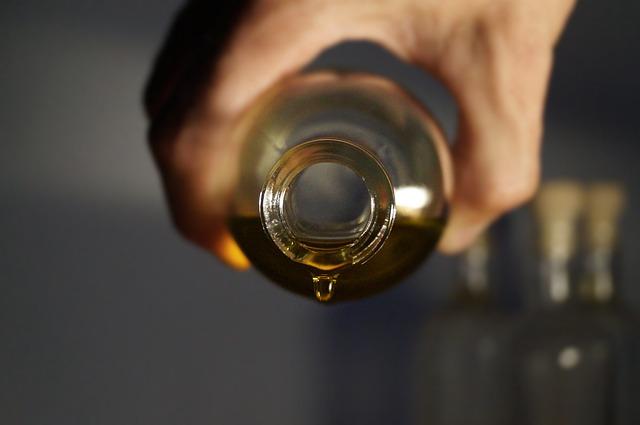
Does a thicker liquid form a longer neck before a droplet breaks free? Viscosity (a liquid's resistance to flow) changes how drops stretch and separate.
You drip seven liquids from a burette at a slow rate. The liquids range from water and ethyl alcohol to glycerin and motor oil. You film each drop with graph paper behind it. Then you compare the frames.
The most viscous liquids form the longest necks before the drop breaks away. Glycerin stretches the farthest. Water and ethyl alcohol barely form a neck at all.
Hypothesis
The hypothesis is that the liquids with the higher viscosities will form longer necks on their drops than the liquids with lower viscosities.
Science Concepts Learned
Viscosity
Viscosity, a liquid's resistance to flow, controls how a droplet stretches before it breaks free. Liquids with higher viscosities form longer necks on their drops than liquids with lower viscosities, because the thicker fluid resists separating. Glycerin stretches the farthest before its drop breaks away, while water and ethyl alcohol barely form a neck at all.
Method & Materials
You will test the average viscosity of seven liquids, then observe and compare the shapes of the droplets as they drip from a burette.
You will need seven liquids, a tube, a metal ball, a burette, and graph paper.
MEL Physics — hands-on physics experiment kits delivered monthly — real experiments, not just reading. (Affiliate link)
See what’s includedResults
The results showed that the liquids with higher viscosities had longer necks on their drops than the liquids with lower viscosities.
Why do this project?
This science project is interesting because it shows how the viscosity of a liquid affects the shape of its droplets.
Also Consider
Experiment variations to consider include testing different liquids or changing the rate of dripping from the burette.
Full project details
Additional information and source material for this project are available below.Related video
These videos explain the science behind this project and demonstrate key concepts used in the experiment.
Share this Science Project:
Browse by Grade
Related Science Fair Project Ideas
Photograph red, yellow, green, and blue balls at increasing ocean depths to discover which colors vanish first.
Hard
Aim red, green, and blue lasers through colored glass filters and measure whether any filter blocks a meaningful amount of power.
Hard
Build three speaker boxes of different depths and measure which frequencies each one boosts or cuts.
Hard
Share this Science Project: