Landfills, Composting, and Solid Waste
Medium
What happens to a banana peel, a plastic bag, and a newspaper after you throw them away? Some materials break down in weeks. Others last for centuries. This project explores the difference.
You build a compost column from plastic bottles and fill it with soil, fruit scraps, grass, newspaper, and plastic. Over two to four weeks you observe which items decompose (break down naturally) and which stay the same.
You also sort everyday trash into four categories: reduce, reuse, recycle, and recover. By comparing your compost results to how real landfills work, you see why some waste creates problems like water contamination and methane gas.
Hypothesis
The hypothesis is that reducing, reusing, recycling, and recovering our waste can help keep our planet healthy.
Method & Materials
You will learn about landfills, composting, and incineration, and how they affect the environment. You will also play a game and learn songs to help you remember the importance of reducing, reusing, recycling, and recovering our waste.
You will need two 2 liter plastic pop bottles, netting or mesh fabric, rubber band, classroom storage containers, plastic bags, soil, vegetable or fruit scraps, grass, newspaper, plastic and other garbage, aluminum cans, glass bottles, paper napkins, and fruit peel.
Kiwi Crate — hands-on STEAM project kits for ages 6–9, delivered monthly. (Affiliate link)
See what’s includedResults
We can make a difference in the environment by reducing, reusing, recycling, and recovering our waste. We can also learn about landfills, composting, and incineration to help us understand how our waste affects the environment.
Why do this project?
This science project is interesting and unique because it combines learning about the environment with fun activities like playing a game and learning songs.
Also Consider
Experiment variations to consider include composting different types of waste and comparing the results, or researching different types of incineration and their effects on the environment.
Full project details
Additional information and source material for this project are available below.Share this Science Project:
Related Science Fair Project Ideas
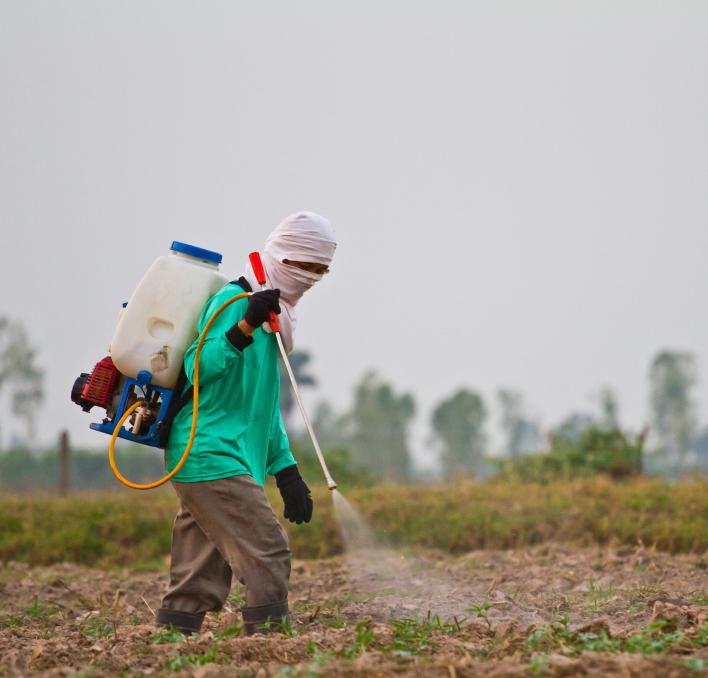
Spray plants with three homemade kitchen-ingredient solutions and compare their protection to a chemical pesticide.
Medium
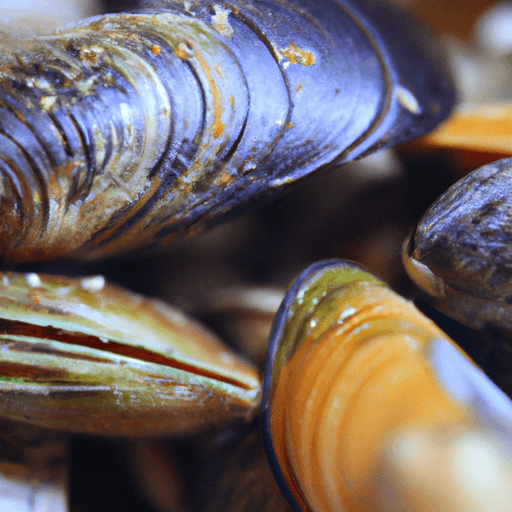
Collect zebra mussels from three lakes of different acidity and test whether the most acidic water produces the weakest shells.
Medium
Bury three types of spoons in soil for 30 days and weigh them to find out which ones actually decompose.
Medium
Share this Science Project: