

Acidic Water and Zebra Mussel Shells
Medium
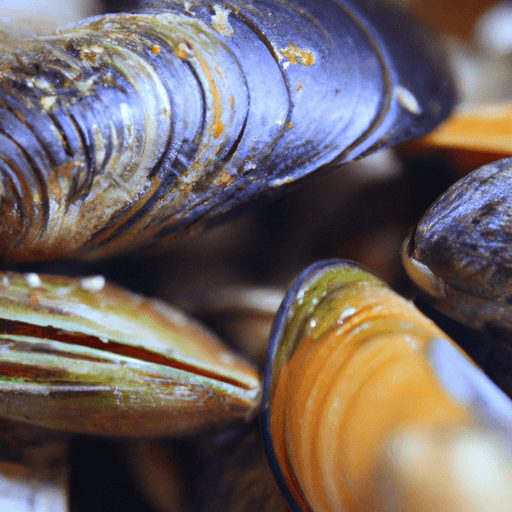
Could slightly acidic lake water weaken a mussel's armor? Collect zebra mussels from three lakes with different pH levels and find out.
Gather ten mussels from each lake: one acidic (pH 6.5), one neutral (pH 7.0), and one slightly alkaline (pH 7.5). Remove the soft tissue, wash the shells, and test each one with a hardness tester.
Mussels from the most acidic lake have the softest shells, while those from the alkaline lake have the hardest.
Hypothesis
The hypothesis is that a lake with more acidic water will produce Zebra mussels with softer shells.
Method & Materials
You will collect Zebra mussels from three different lakes with different pH levels, measure the hardness of their shells, and compare the results.
You will need a knife, a manual hardness tester, pH paper, 3 plastic containers, and a black marker pen.
Tinker Crate — science & engineering build kits for ages 9–12 — real tools, real experiments, delivered monthly. (Affiliate link)
See what’s includedResults
The results showed that the Zebra mussels from the lake with pH 6.5 had softer shells and the mussels from the lake with pH 7.5 had the hardest shells. This proves that the hypothesis was correct.
Why do this project?
This science project is interesting because it shows how the acidity of lake water can affect the hardness of Zebra mussel shells.
Also Consider
Variations of this project could include repeating the experiment with seawater mussels instead of freshwater mussels, or using a larger sample size of mussel shells from 20 different lakes.
Full project details
Additional information and source material for this project are available below.Related videos
These videos explain the science behind this project and demonstrate key concepts used in the experiment.
Share this Science Project:
Browse by Grade
Related Science Fair Project Ideas

Spray plants with three homemade kitchen-ingredient solutions and compare their protection to a chemical pesticide.
Medium
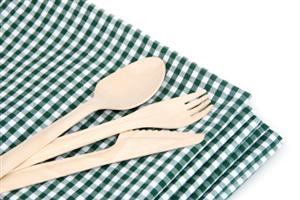
Bury three types of spoons in soil for 30 days and weigh them to find out which ones actually decompose.
Medium
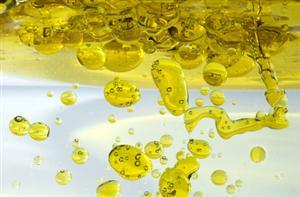
Spray vegetable oil onto damp soil and weigh the cups daily to see if oil slows water evaporation.
Medium
Share this Science Project: