

Particulate Matter at Different Schoolyard Locations
Medium
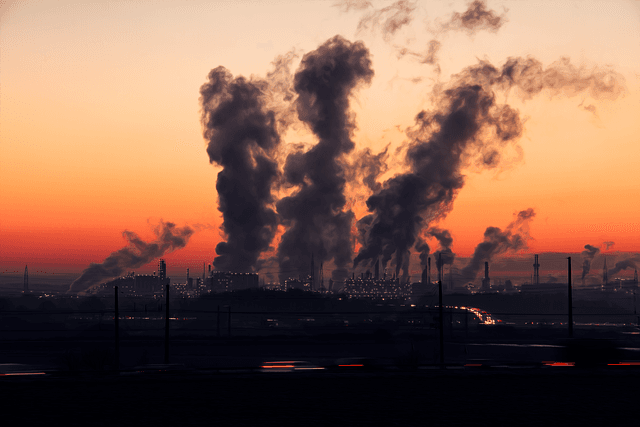
Does the air near a parking lot carry more particles than the air near a field? You cut small windows into index cards and cover them with clear packing tape. The sticky side faces outward to catch whatever floats by.
Place the cards at different locations around a schoolyard. You can also test different heights. Leave them for at least 24 hours. Then collect the cards and use a magnifying glass or microscope to count the particles stuck to each one.
By comparing your cards to each other, you can figure out which spots have the poorest air quality. You can also check whether weather or elevation makes a difference.
Hypothesis
The hypothesis is that the air quality will vary depending on the location and elevation of the cards.
Science Concepts Learned
Particulate Matter
Particulate matter — tiny bits of dust, smoke, and soot — floats through the air and settles on sticky surfaces. You cover index cards with clear packing tape, sticky side out, and place them at different locations around a schoolyard. By comparing your cards to each other, you can figure out which spots have the poorest air quality.
Method & Materials
You will cut out a 3 cm. X 5 cm. rectangle from index cards or tag board, place clear packing tape on one side, and attach the cards to three different locations in the schoolyard.
You will need index cards, clear packing tape, rulers, 5 mm. grid paper, calculators, masking tape, string, or clothespins, scissors, and a microscope (optional).
Tinker Crate — science & engineering build kits for ages 9–12 — real tools, real experiments, delivered monthly. (Affiliate link)
See what’s includedResults
After collecting the cards and counting the particles, we can draw conclusions about the air quality in different locations and elevations. We may even be able to infer whether temperature or wind has an impact on the number and variety of particulates collected.
Why do this project?
This science project is interesting and unique because it allows students to explore the air around them and draw conclusions about the air quality in different locations.
Also Consider
Variations to consider include measuring and identifying the particulates collected and asking questions such as: What location in the schoolyard will have the poorest air quality? Does the weather make a difference in air quality? How do the television air quality reports compare with the number of particulates collected?
Full project details
Additional information and source material for this project are available below.Share this Science Project:
Browse by Grade
Featured In
Related Science Fair Project Ideas
Mist three types of lichen with simulated acid rain and discover which ones thrive and which ones crumble.
Medium
Mount sticky collection boards across eight city locations and count the airborne particles each one traps over three days.
Medium
Peel a nail-polish impression off pine needles and count their breathing pores to see whether traffic pollution changes how leaves grow.
Medium
Share this Science Project: