

Recycling, Pollution, and Reusable Materials
Easy
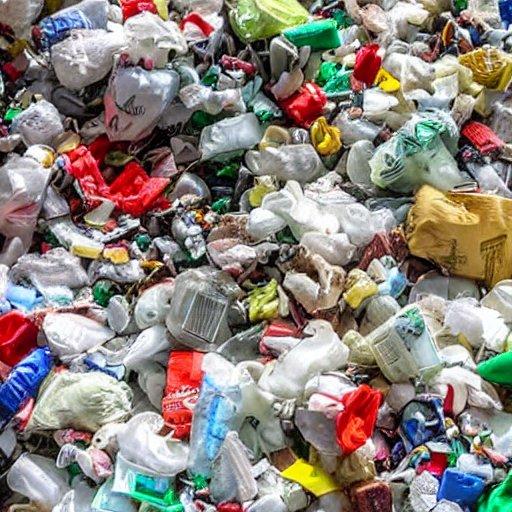
Can you tell which everyday object is better for the environment: a paper plate or a china plate? You compare pairs of items and decide which one creates less waste. Paper plate versus china plate. Paper towel versus cloth towel. Plastic bag versus paper bag.
Then you run a pollution experiment. You stir food coloring into a jar of water and keep adding clear water until the color seems to disappear. It takes about seven cups. The color spreads out but never truly goes away, just like pollutants in a stream.
You also stretch a rubber band across your hand and try to remove it without touching anything. This shows how plastic rings from beverage packs trap sea animals that have no hands to free themselves.
Hypothesis
The hypothesis is that we can chose what things we use to reduce trash and pollution.
Science Concepts Learned
Water Pollution
Water pollution means harmful things get into rivers or lakes and stay there. You stir food coloring into a jar of water. Even after adding seven cups of clear water, the color thins but never goes away. Pollutants in streams work the same way.
Method & Materials
In this experiment, called "Test Your Recycling Sense," you'll need to choose which option is better for our planet. Should we use paper plates or china plates? Which is better, paper towels or terry cloth dish towels? Do we use plastic bags or paper bags? And what about plastic foam cups or glasses? Should we store food in the refrigerator with plastic wrap or with a reusable container? Lastly, should we buy our carrots in a plastic bag or without? After the experiment, gather the items you picked that can only be used once and will be thrown away. How much trash did your choices make?
You will need a paper plate, a china plate, paper towels, a terry cloth dish towel, a plastic bag, a plastic foam cup, a glass cup, plastic wrap, reusable container, carrots in a plastic bag, and loose carrots.
Kiwi Crate — hands-on STEAM project kits for ages 6–9, delivered monthly. (Affiliate link)
See what’s includedResults
Our daily choices have a significant impact on the amount of trash we generate, as demonstrated in this project.
Why do this project?
This science project is worthwhile because it highlights how our everyday choices can significantly impact the environment, emphasizing the need for us to make conscious decisions to protect our planet.
Also Consider
You can vary the experiment by choosing options at the supermarket based on whether the packaging can be recycled or reused, or if it will generate trash.
Full project details
Additional information and source material for this project are available below.Related video
These videos explain the science behind this project and demonstrate key concepts used in the experiment.
29% of the US greenhouse gas emissions comes from how we make, consume and dispose of stuff! It's incredible how much waste is produced by disposable items from take out, but we can easily make a positive impact by simply saying no to them.
Share this Science Project:
Browse by Grade
Featured In
Related Science Fair Project Ideas
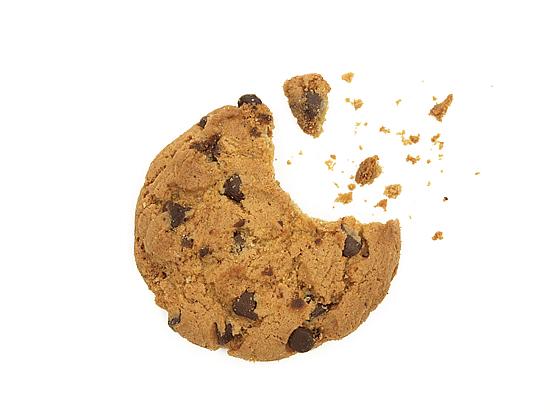
Mine chocolate chips from two cookies with a paper clip and see whether careful or careless digging earns more.
Easy
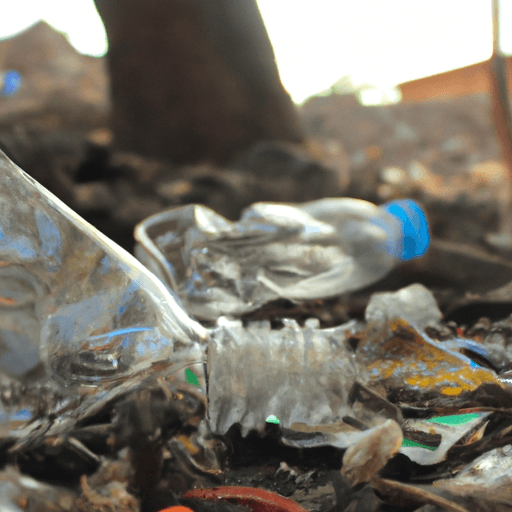
Bury six different materials in soil-filled bottles and check every few weeks to see which ones crumble and which survive.
Easy
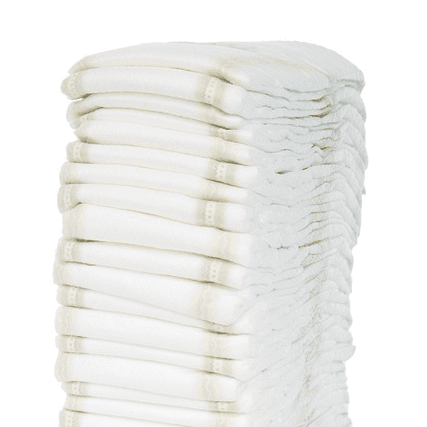
Dissect a disposable diaper and a cloth diaper side by side. Compare their materials and calculate the landfill waste each type creates.
Easy
Share this Science Project: