

Soil pH and Kentucky Bluegrass Growth
Medium
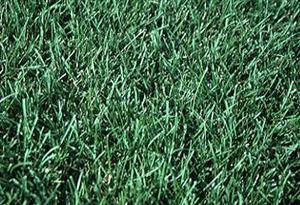
Does soil pH affect how tall grass grows? Kentucky bluegrass is a common lawn grass. It may grow better in slightly acidic or slightly alkaline soil.
You fill five pots with soil adjusted to pH levels of 6.0, 6.5, 7.0, 7.5, and 8.0. You use soil sulfur to lower pH and ground limestone to raise it. Then you plant Kentucky bluegrass seeds in each pot. You water them daily for 14 days.
After two weeks, you measure the average height in each pot to find the ideal pH for this grass.
Hypothesis
The hypothesis is that the Kentucky bluegrass will grow best in slightly acidic soil.
Science Concepts Learned
Soil pH
Soil pH tells you how acidic or alkaline a soil is — and that difference can change how well a plant grows. Kentucky bluegrass is a common lawn grass that may grow taller in some pH ranges than others. One experiment tests this directly by planting bluegrass seeds in five pots, each adjusted to a different pH level using soil sulfur or ground limestone.
Method & Materials
You will measure the pH level of soil, add soil sulfur or grounded limestone to the soil to adjust the pH level, plant Kentucky bluegrass seeds in the soil, and measure the height of the grass after two weeks.
You will need a packet of Kentucky bluegrass seeds, 5 plastic pots, enough soil for the 5 pots, a bag of soil sulfur, a bag of grounded limestone, a pH measuring kit, a soil chart, a 1m ruler, and a black marker pen.
Tinker Crate — science & engineering build kits for ages 9–12 — real tools, real experiments, delivered monthly. (Affiliate link)
See what’s includedResults
The experiment showed that the Kentucky bluegrass was the tallest and healthiest when it was planted in soils of pH levels 6.5 and 7.0.
Why do this project?
This science project is interesting because it shows how the pH level of soil can affect the growth of grass.
Also Consider
Experiment variations to consider include using other types of grass such as Bermuda grass and carpet grass, and adding clay or sand to the soil.
Full project details
Additional information and source material for this project are available below.Related videos
These videos explain the science behind this project and demonstrate key concepts used in the experiment.
Share this Science Project:
Browse by Grade
Related Science Fair Project Ideas
Sort soybean seeds by weight and test whether heavier or lighter seeds push through 10 centimeters of soil faster.
Medium
Plant pea seeds in 14 different soil samples and track which root diseases appear most often as the plants grow.
Medium
Clone a plant using leaf cuttings, stem cuttings, or layering and compare which method grows new roots first.
Medium
Share this Science Project: