

Light Sensors vs. Touch Sensors on a Conveyor Belt
Medium
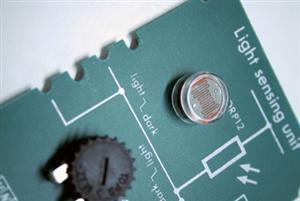
Which type of sensor counts objects more reliably at high speed? You install a light sensor and a touch sensor on a conveyor belt. Each sensor connects to its own electronic counter. One hundred boxes pass through at three speeds: 2, 5, and 8 meters per minute.
The light sensor counted all 100 boxes at every speed. The touch sensor matched it at the slowest speed but missed more boxes as the belt moved faster. At 8 meters per minute, friction between the boxes and the touch sensor caused a pileup on the belt.
Hypothesis
The hypothesis is that the light sensor will be able to cope better than the touch sensor as a counter, even if the speed of the conveyor is increased.
Science Concepts Learned
Electronic Sensors
Electronic sensors differ in how they detect objects passing on a moving system. In this experiment, a light sensor and a touch sensor each connect to its own electronic counter to track 100 boxes at three speeds. The light sensor counted all 100 boxes at every speed, but the touch sensor missed more boxes as the belt moved faster, showing that detection method affects reliability under changing conditions.
Method & Materials
You will set up a conveyor belt with a light sensor and a touch sensor, and two electronic counters. You will place 100 boxes on the conveyor belt and measure the number of boxes counted at different speeds.
You will need a conveyor belt, a light sensor, a touch sensor, two electronic counters, 100 boxes, and a stopwatch.
Eureka Crate — engineering & invention kits for ages 12+ — monthly projects that build real-world skills. (Affiliate link)
See what’s includedResults
The experiment showed that the light sensor was able to detect and count all 100 boxes at all 3 different speeds, while the touch sensor was only able to detect and count 95 boxes at 5 meters per-minute and 77 boxes at 8 meters per-minute.
Why do this project?
This science project is interesting because it demonstrates the effectiveness of different types of sensors in a real-world application.
Also Consider
Consider repeating the experiment using a proximity sensor, or by increasing or decreasing the space between the boxes.
Full project details
Additional information and source material for this project are available below.Related videos
These videos explain the science behind this project and demonstrate key concepts used in the experiment.
Share this Science Project:
Related Science Fair Project Ideas
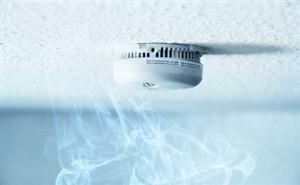
Place a cigarette at five distances from ionizing and photoelectric smoke detectors and time which one triggers its alarm first.
Medium
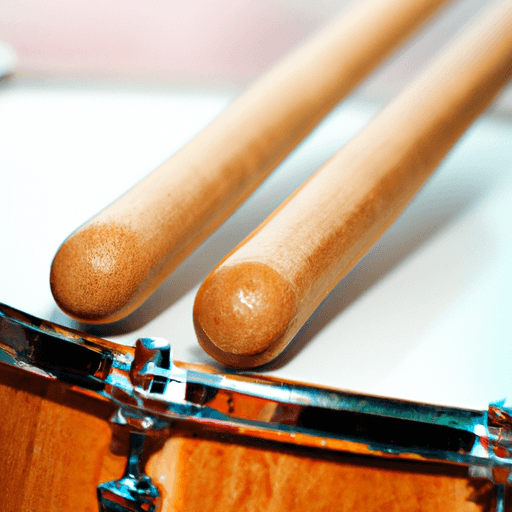
Strike a snare drum with titanium, aluminum, hickory, and oak drumsticks to find out which material bounces back the highest.
Medium
Hang weights from seven types of string for ten hours and discover which one refuses to stretch even a millimeter.
Medium
Share this Science Project: