

Denitrifying Bacteria and Nitrate Removal
Medium
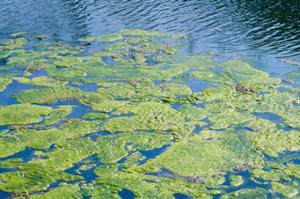
Can adding bacteria to polluted water speed up nitrate removal? You fill six beakers with water from an algae-rich pond. Three beakers receive doses of Nitrobacter and Nitrosomonas (bacteria that convert nitrates into nitrogen gas). The other three get nothing.
All six beakers are sealed with plastic wrap. Once a week for three weeks, you test the nitrate level in each beaker with a nitrate test kit.
The beakers with added bacteria showed a much faster drop in nitrate levels than the untreated ones.
Hypothesis
The hypothesis is that nitrate-rich water containing denitrifying bacteria will exhibit a faster rate of reduction in nitrate levels.
Method & Materials
You will measure and pour water into beakers, add denitrifying bacteria, cover the beakers with plastic wrap, and measure the nitrate levels in each beaker over the course of three weeks.
You will need 2000 milliliters of water from an algae-rich pond, a plastic container with 2 liter capacity, 15ml of Nitrobacter and Nitrosomonas bacteria, 6 beakers, a measuring cylinder, a syringe, a roll of plastic wrap, and a nitrate test kit.
Eureka Crate — engineering & invention kits for ages 12+ — monthly projects that build real-world skills. (Affiliate link)
See what’s includedResults
The experiment showed that the beakers with the denitrifying bacteria added had a faster rate of reduction in the nitrate levels. This proves that the hypothesis is true.
Why do this project?
This science project is interesting and unique because it shows how denitrifying bacteria can help reduce nitrate levels in water and save the aquatic ecosystem.
Also Consider
Variations of this experiment could include testing the levels of ammonia and nitrite in water, or comparing the effect of denitrification in water samples from different sources.
Full project details
Additional information and source material for this project are available below.Related video
These videos explain the science behind this project and demonstrate key concepts used in the experiment.
Share this Science Project:
Browse by Grade
Related Science Fair Project Ideas
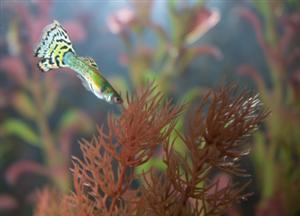
Place guppies in five tanks at different acid levels and track survival every two hours to find the tipping point.
Medium
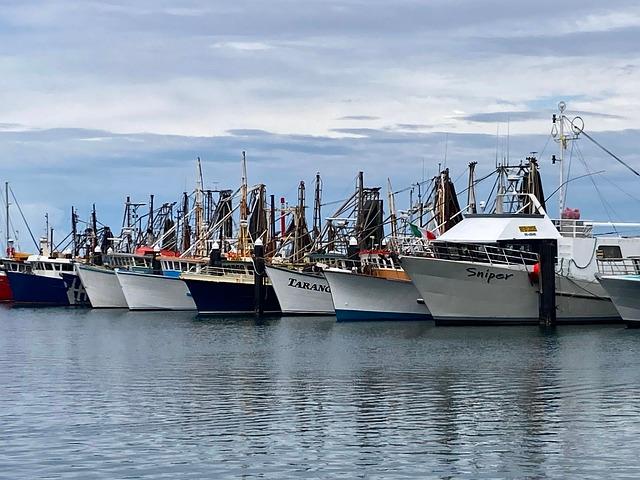
Collect water from a boatyard, marina, beach, and tap, then send all four to a lab to compare heavy metal levels.
Medium
Cover one beaker with a thin oil layer and leave another clear, then measure how much oxygen each underwater plant produces over five hours.
Medium
Share this Science Project: