Soil Type, Fertilizer, and Electrical Conductivity

Medium
Does adding fertilizer to soil change how well it conducts electricity? Electrical conductivity (how easily a current flows through a material) depends on the dissolved minerals in the soil.
You fill four beakers with sand, clay, loam, and loam mixed with liquid fertilizer. After adding water and waiting 30 minutes, you insert copper electrodes and measure the current with a milliammeter. The fertilizer-enriched loam conducts the most current by far.
Hypothesis
The hypothesis is that the loam soil with fertilizer added will have the highest level of electrical conductivity.
Method & Materials
You will measure the electrical conductivity of different types of soil, including sand, clay, loam, and loam mixed with fertilizer.
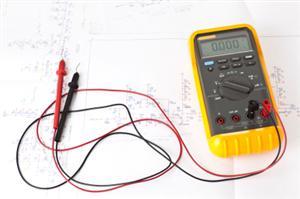
You will need 200g of sand, 200g of clay, 400g of loam, 50ml of liquid fertilizer, 800ml of water, 4 beakers, 1 DC12V battery, 3 jumper wires with crocodile clips at both ends, 2 copper electrodes, 1 miliammeter, 1 digital weighing scale, 1 measuring cylinder, 1 ruler, and 1 clock.
Results
The results showed that loam mixed with fertilizer had the highest electrical conductivity, while sand had the lowest. This proves that the hypothesis was correct.
Why do this project?
This science project is interesting because it shows how soil fertility affects electrical conductivity. It also demonstrates how different types of minerals can affect the conductivity of the soil.
Also Consider
To vary the experiment, you could add different types of minerals to the soil samples and compare their electrical conductivity. You could also measure the effects of other factors on electrical conductivity, such as the amount of water added, the temperature of the environment, or the pH of the soil.
Full project details
Additional information and source material for this project are available below.Share this Science Project:
Related Science Fair Project Ideas
Measure LED bulbs from 1.5 to 10.5 watts with a lux meter and find which tiny wattage matches a 60-watt incandescent bulb.
Medium
Rub a balloon on four different-colored wigs and count paper squares to see which hair color builds the most static charge.
Medium
Run current through a copper coil and track how resistance climbs and current drops as the wire heats up.
Medium
Share this Science Project: