

Foot Problems in Men vs. Women
Medium
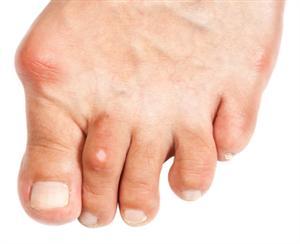
Do women experience more foot problems than men? You survey at least 100 men and 100 women from different backgrounds. Each person fills out a form listing common foot conditions like heel pain, blisters, corns, bunions, and toenail fungus.
After collecting the surveys, you calculate the percentage of each gender reporting each condition.
The results show that women had a higher rate of foot problems across every category. The biggest gaps appeared in blisters (43% of women vs. 25% of men) and Achilles tendon issues (17% vs. 4%).
Hypothesis
The hypothesis is that women will have more foot problems than men.
Method & Materials
You will prepare a survey form listing several types of common foot-related problems, survey at least 100 females and 100 men on their foot disorders, and calculate the percentage of each gender suffering from each foot problem.
You will need a survey form on feet disorders and writing materials.
Tinker Crate — science & engineering build kits for ages 9–12 — real tools, real experiments, delivered monthly. (Affiliate link)
See what’s includedResults
The results showed that the female participants had a higher incidence of foot problems as compared to the male participants. This proves that the hypothesis is true.
Why do this project?
This science project is interesting because it shows how different genders experience different types of foot problems.
Also Consider
Consider repeating the experiment by using participants of different age groups, or modifying the experiment to compare the effects of wearing high heels or sandals on women's feet.
Full project details
Additional information and source material for this project are available below.Related videos
These videos explain the science behind this project and demonstrate key concepts used in the experiment.
Share this Science Project:
Related Science Fair Project Ideas

Measure your vital signs during the day and during deep sleep to discover how your body changes at rest.
Medium

Track blood pressure before and after solo and competitive video game sessions to see how gaming changes what your body does.
Medium

Test five singers before and after drinking ice water to discover whether cold temperatures shrink their vocal range.
Medium
Share this Science Project: