

Salt, Temperature, and Water Surface Tension
Medium

How does adding salt or raising the temperature change the surface tension of water? Surface tension is the invisible film on water that lets small objects float.
You float a tiny square of aluminum foil on water and add rice grains one at a time until the foil sinks. You repeat this at five temperatures from 15°C to 55°C. Then you do it again using salt water at the same temperatures.
Counting the rice grains each time shows you how salt and heat weaken that invisible film.
Hypothesis
The hypothesis is that when salt is added to water and the temperature of the water increased, the surface tension of water is reduced.
Science Concepts Learned
Surface Tension
Water pulls itself together at the surface, forming a thin stretchy skin that can support light objects. Adding salt or raising the temperature weakens this invisible film. You can measure the change by floating aluminum foil on water and counting how many rice grains it holds before sinking at temperatures from 15°C to 55°C.
Method & Materials
You will measure the surface tension of water by adding salt and increasing the temperature.
You will need a container of water, salt, a thermometer, and a weight.
MEL Physics — hands-on physics experiment kits delivered monthly — real experiments, not just reading. (Affiliate link)
See what’s includedResults
The experiment showed that the surface tension of water can be reduced by adding salt and increasing the temperature. The most interesting observation was that the surface tension of the water was able to hold up a weight.
Why do this project?
This science project is interesting because it shows how the surface tension of water can be manipulated to hold up a weight.
Also Consider
Variations to consider include testing different amounts of salt and different temperatures.
Full project details
Additional information and source material for this project are available below.Share this Science Project:
Related Science Fair Project Ideas
Launch three brands of tennis balls with different hardness levels and measure whether softer balls travel farther.
Medium
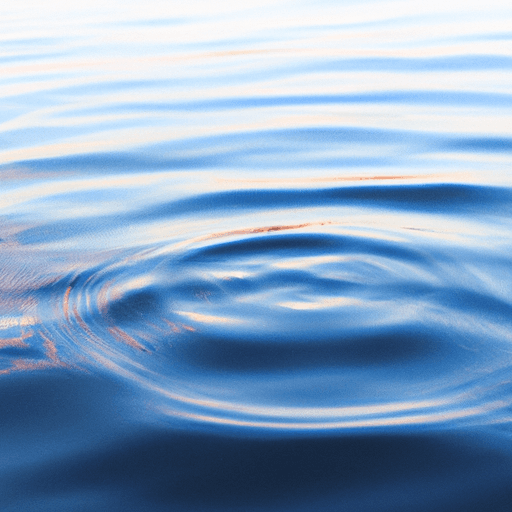
Drop rice grains onto foil floating in pure and salt water at five temperatures to map how surface tension weakens.
Medium

Swap five different bearing brands into a skateboard and measure how far it rolls from a ramp to find out if price matches performance.
Medium
Share this Science Project: