Which building shape handles high winds best? You carve four polystyrene models with different cross-sections: rectangular, triangular, circular, and oval. Each model stands 500 mm tall. You mount them one at a time inside a homemade plywood wind tunnel and gradually increase fan speed.
The rectangular model topples at the lowest wind speed. The circular model withstands the highest speed before collapsing. Shape determines how air flows around a structure and how much force it absorbs.
Hypothesis
The hypothesis is that a skyscraper with a circular cross-section will be able to withstand the greatest force of wind.
Wind resistance depends not only on surface area but also on shape, because shape controls how air flows around an object and how much push it absorbs. A curved surface lets air slide past with less force, while a flat face catches the full push of the moving air. In one wind-tunnel experiment, the rectangular model topples at the lowest wind speed whereas the circular model withstands the highest speed before collapsing, demonstrating that rounded cross-sections reduce the air's push significantly.
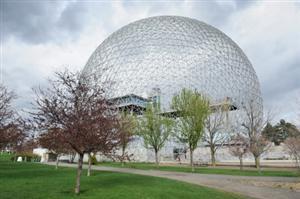
Shape determines how air flows around a structure and how much force it absorbs. When you mount four polystyrene models — rectangular, triangular, circular, and oval — inside a plywood wind tunnel and gradually increase fan speed, the rectangular model topples first. Its flat face meets the air head-on, concentrating force directly against it. The circular model withstands the highest wind speed before collapsing, because air moves smoothly around its curved surface and spreads that force instead of focusing it in one place.
Method & Materials
You will build a wind tunnel and model skyscrapers with different shapes. Then, you will gradually increase the wind speed and observe the model buildings to determine which shape can withstand the greatest force of wind.
You will need an industrial fan, 4 pieces of polystyrene foam, 4 pieces of plywood, a hammer, nails, a ruler, a pen-knife, and 4 boxes of playdough.
Eureka Crate — engineering & invention kits for ages 12+ — monthly projects that build real-world skills. (Affiliate link)
It was observed that the model building with a circular cross-section withstood the greatest force of wind, while the model building with a rectangular cross-section was the least resistant to wind.
Why do this project?
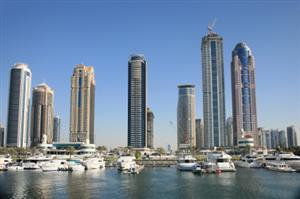
This science project is interesting because it shows how the shape of a skyscraper affects its ability to withstand wind.
Also Consider
Experiment variations include building model buildings with denser materials such as wood, and testing to see if the type of surface or paintwork on a building will affect its resistance to wind forces.
Full project details
Additional information and source material for this project are available below.