

Fertilizer Concentration and Radish Growth
Easy
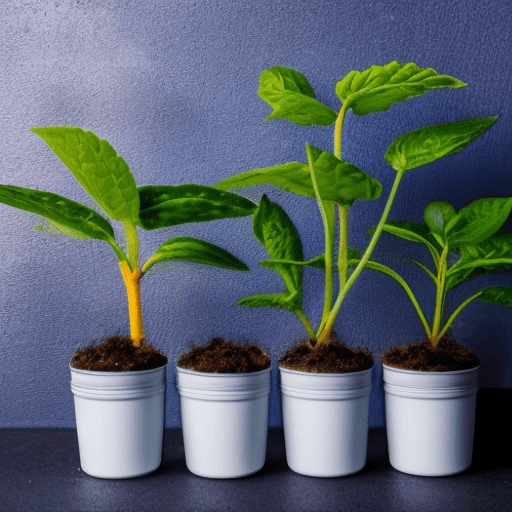
What happens when you give a plant too much or too little fertilizer? You plant radish seeds in 15 pots divided into five groups of three. Each group receives a different fertilizer concentration.
The levels range from 33% to 166% of the amount recommended by the manufacturer. You water the plants twice a day for 10 days and then measure the average height of each group.
The results show that plants given the recommended dose grow tallest. Both too little and too much fertilizer slow growth down.
Hypothesis
The hypothesis is that watering the plant with too little or too much fertilizer will slow down plant growth.
Science Concepts Learned
Fertilizers and Plant Nutrition
The amount of fertilizer matters as much as whether you use it at all. Radish plants tested at concentrations from 33% to 166% of the recommended dose show that "plants given the recommended dose grow tallest." Going above or below that target slows growth, because "both too little and too much fertilizer slow growth down."
Method & Materials
You will divide 15 pots into 5 groups, each with 3 plants. Each group will be watered with a different concentration of fertilizer. You will measure the average height of the plants after 10 days.
You will need 1 packet of radish seeds, 15 plastic pots, soil, Hasta Gro fertilizer, tap water, a ruler, 5 plastic containers, and a measurement cup.
Tinker Crate — science & engineering build kits for ages 9–12 — real tools, real experiments, delivered monthly. (Affiliate link)
See what’s includedResults
The results showed that the plants in group C, which had followed the recommended concentration of fertilizer, had the fastest growth in 10 days. The plants in group A and group E, which used concentration of fertilizers either too little or too much, had the slowest growth in the 10 days.
Why do this project?
This science project is interesting because it shows how important it is to use the correct amount of fertilizer for optimal plant growth.
Also Consider
Variations of this experiment could include testing different types of plants, such as bamboo or beans, or different brands of fertilizer.
Full project details
Additional information and source material for this project are available below.Related videos
These videos explain the science behind this project and demonstrate key concepts used in the experiment.
Share this Science Project:
Related Science Fair Project Ideas
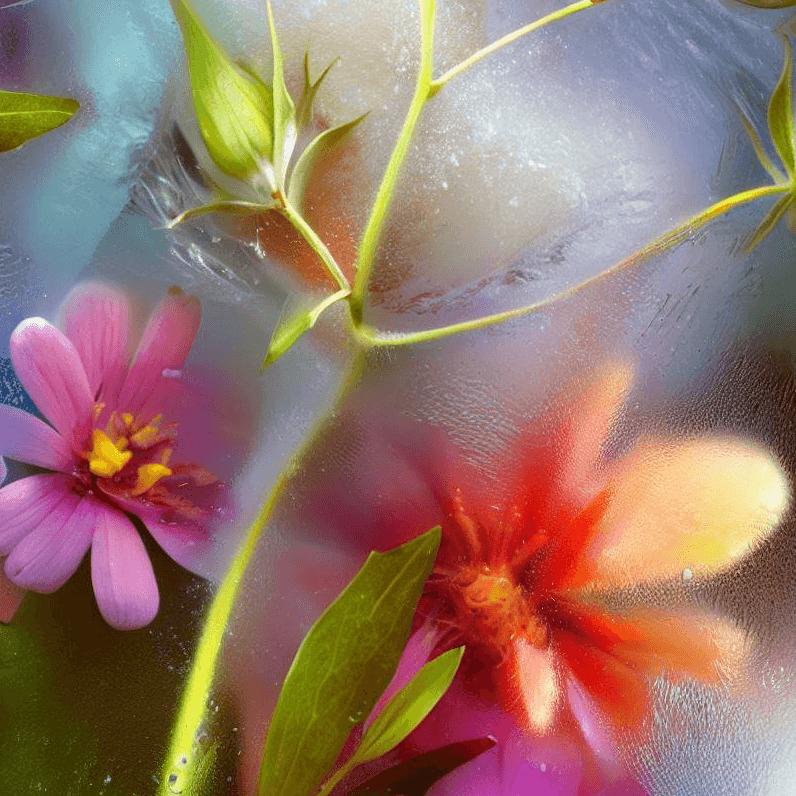
Freeze fresh flowers in a muffin pan and melt them free with warm water to explore how ice traps and releases petals.
Easy
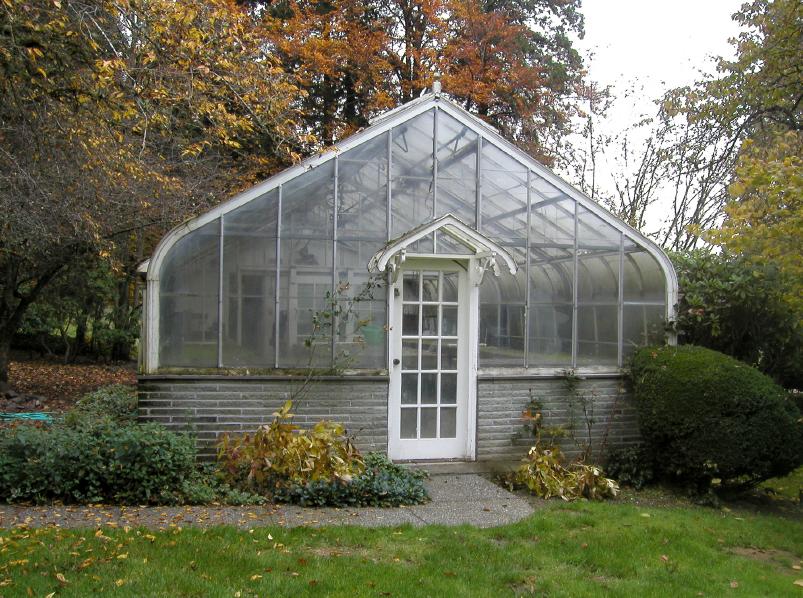
Build a tiny greenhouse from straws and plastic wrap, then see if its seedling outgrows one in the open air.
Easy

Place white daisies in colored water and watch the petals change to blue or red within a single day.
Easy
Share this Science Project: