CPU Speed vs. RAM Size in Computer Performance
Hypothesis
Science Concepts Learned
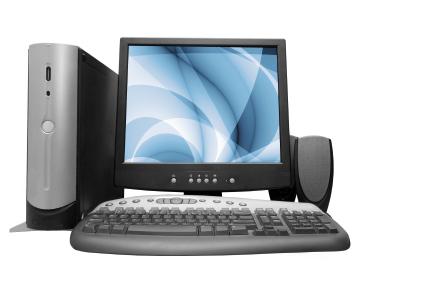
A faster CPU carries out each task more quickly, but it does not work alone. By swapping the CPU and RAM in a desktop computer and timing startup and game loading, you can isolate how much the processor chip contributes compared to available memory. When you measure performance with five other programs running, the results reveal whether the chip executing every instruction or the memory feeding it data has a bigger effect on speed.
RAM is your computer's short-term memory, holding whatever it needs right now so it works fast. In this experiment, you test four hardware combinations and measure game load time with five other programs running in the background. That background-load test directly targets RAM because short-term memory must hold the game and all five extra programs at the same time.
The CPU and RAM are the physical parts that determine how fast a computer can start up and run programs. When you swap these components in a desktop computer and time four different hardware combinations, you can measure which one has a bigger effect on everyday performance — clock speed or memory size. Startup time, game load time, and game load time with five programs running in the background all reveal how these parts work together under real conditions.
A benchmark becomes especially useful when comparing hardware upgrades under realistic conditions. You time how long each CPU-and-RAM combination takes to start up the computer and load a game — first alone, then with five other programs running in the background. Running the same set test across all four hardware setups produces direct, comparable measurements of everyday performance.
Method & Materials
MEL Math — hands-on math experiment kits delivered monthly — makes abstract concepts tangible. (Affiliate link)
See what’s includedResults
Why do this project?
Also Consider
Full project details
Additional information and source material for this project are available below.Related videos
Browse by Grade
Related Science Fair Project Ideas