

Barefoot Running and Forefoot Landing
Medium
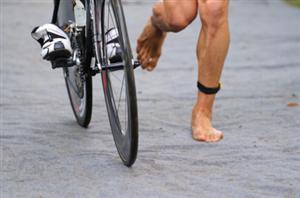
Does taking off your shoes change how your foot hits the ground? Runners land differently depending on whether they wear shoes. This project captures those differences on video.
You film ten runners sprinting 100 meters with shoes and then barefoot. A camera at the halfway mark records their foot strikes. You count how many of the first ten strides land on the forefoot.
With shoes, runners land on their forefoot only one or two times out of ten. Barefoot, that number jumps to nearly every stride.
Hypothesis
The hypothesis is that running barefoot will help runners land on the forefeet whereas running with shoes will cause them to land on their heels.
Method & Materials
You will have 10 male participants run a distance of 100 meters twice. You will record their strides with a video camera and observe how they land on their feet.
You will need a running track, 10 male participants 18 years of age, a video camera, and 10 pairs of running shoes for the participants.
Eureka Crate — engineering & invention kits for ages 12+ — monthly projects that build real-world skills. (Affiliate link)
See what’s includedResults
The results showed that running barefoot caused runners to land on their forefeet more frequently than when they were wearing shoes. The observation that stands out is that the runners with shoes landed on their heels more frequently.
Why do this project?
This science project is interesting because it shows how running barefoot can help reduce injuries and develop muscles in our feet.
Also Consider
Variations of this science project could include running on different surfaces like a field or beach sand, or comparing different types of shoes like jogging shoes or track shoes.
Full project details
Additional information and source material for this project are available below.Related videos
These videos explain the science behind this project and demonstrate key concepts used in the experiment.
Share this Science Project:
Related Science Fair Project Ideas

Train half your runners in slow breathing for four weeks and find out if they hit the wall less often than the control group.
Medium
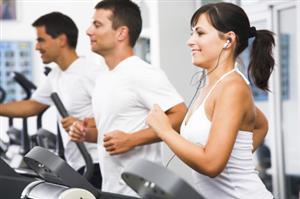
Have the same runners do two treadmill sessions, one silent and one with fast-paced music, and compare the distances.
Medium
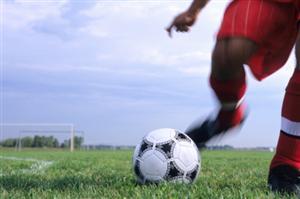
Drop a soccer ball from two meters onto three kinds of turf and discover which surface keeps it bouncing longest.
Medium
Share this Science Project: