

Green Tea, Altace, and Daphnia Heart Rate
Hard
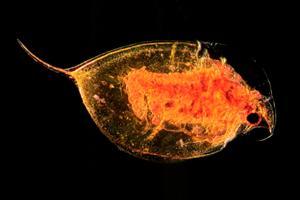
Can green tea slow a heartbeat the same way blood pressure medicine does? Daphnia (tiny water fleas) have a visible heart you can watch under a microscope. This makes them ideal for testing how substances affect heart rate.
You prepare green tea and Altace solutions at three different strengths. Then you add drops of each solution to daphnia on glass slides. After 15 minutes you count their heartbeats.
Compare the results to see which substance slows the heart rate more at each dose.
Hypothesis
The hypothesis is that herbal green tea is able to reduce the heart beat of daphnia.
Method & Materials
You will prepare 7 beakers with different concentrations of green tea and Altace solution, and place 20 daphnia specimens on each of 8 slides. You will then add 3 drops of each solution to the slides and count the heartbeats per minute of the daphnia under a microscope.
You will need 160 daphnia, 7 beakers, a packet of green tea powder, a tablet of Altace, a microscope, 7 glass slides, a digital weighing scale, a stopwatch, 700ml distilled water, a measurement cylinder, an eyedropper, and an assistant.
Eureka Crate — engineering & invention kits for ages 12+ — monthly projects that build real-world skills. (Affiliate link)
See what’s includedResults
The results showed that adding green tea and Altace solution reduced the heartbeat of the daphnia. The higher concentration of the solution resulted in a slower heartbeat per minute. The green tea was also able to reduce the heartbeat rate more than the Altace solution of the same concentration.
Why do this project?
This science project is interesting because it explores the effects of green tea and Altace on the heart rate of daphnia, and provides insight into the healing properties of green tea.
Also Consider
Experiment variations to consider include using different types of herbs like garlic or ginger, and adjusting the room temperature.
Full project details
Additional information and source material for this project are available below.Related videos
These videos explain the science behind this project and demonstrate key concepts used in the experiment.
Share this Science Project:
Browse by Grade
Related Science Fair Project Ideas
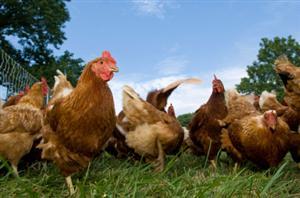
Time roosters and hens racing to a food tray with and without a log obstacle to see which group adapts faster.
Hard
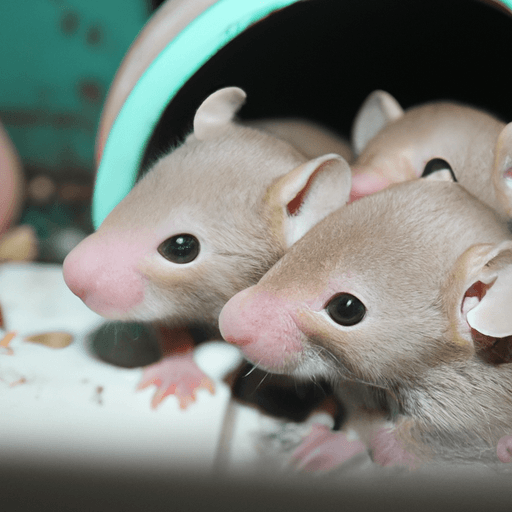
Race male and female mice through a cardboard maze, then use a T-maze to discover each mouse's paw preference.
Hard
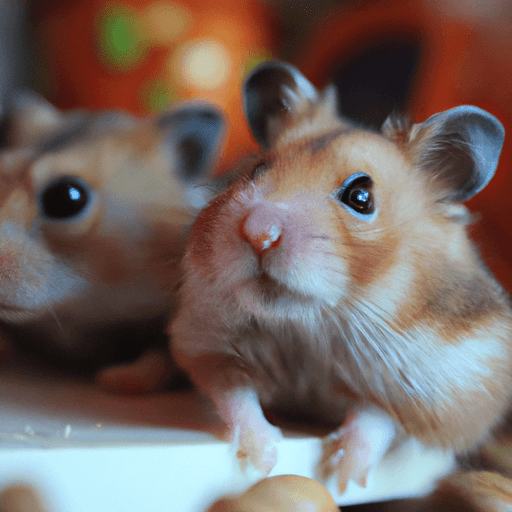
Build a cardboard maze, send hamsters and mice through it ten times each, and discover which species learns the route faster.
Hard
Share this Science Project: