

Fabric Insulation: Thinsulate vs. Cotton Fleece
Medium
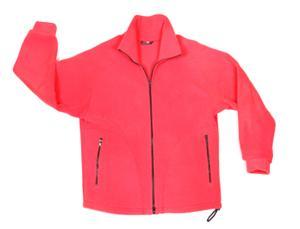
How does the fabric of your scarf affect how warm you stay? Different fabrics trap heat at different rates. A simple test with warm water can show which one works best.
You wrap flasks of warm water with a Thinsulate scarf and a cotton fleece scarf. A third flask sits unwrapped as the control. You read each thermometer every 30 minutes for two hours.
The Thinsulate-wrapped flask stays warmest. Cotton fleece comes in second. The bare flask cools the fastest.
Hypothesis
The hypothesis is that Thinsulate fabric retains heat and keeps water in a flask warm for the longest period of time.
Method & Materials
You will use 3 conical flasks, 3 corks, an electric drill, 3 thermometers, a scarf made from Thinsulate fabric, a scarf made from cotton fleece, 2 strings, tap water, a hot plate, and a clock.
You will need 3 conical flasks, 3 corks, an electric drill with the bits, 3 thermometers, 1 scarf made from Thinsulate fabric, 1 scarf made from cotton fleece, 2 strings, tap water, 1 hot plate, and 1 clock.
MEL Physics — hands-on physics experiment kits delivered monthly — real experiments, not just reading. (Affiliate link)
See what’s includedResults
The experiment showed that the water in the conical flask wrapped with Thinsulate fiber remained warm the longest, followed by the flask wrapped with the cotton fleece scarf.
Why do this project?
This science project is interesting because it shows how different fabrics can be used to keep us warm in different climates.
Also Consider
Experiment variations to consider include repeating the experiment using different materials like fur, wool, silk and leather, or increasing the layers of fabric and comparing the results.
Full project details
Additional information and source material for this project are available below.Related video
These videos explain the science behind this project and demonstrate key concepts used in the experiment.
Share this Science Project:
Related Science Fair Project Ideas

Drop food coloring into three jars of different temperature water and watch the color spread at wildly different speeds.
Medium
Burn equal pieces of oak, maple, cedar, and pine under water to discover which wood type produces the most heat.
Medium
Compare water in a wide plate versus a narrow glass, sun versus shade, and fan versus still air to see what speeds up evaporation.
Medium
Share this Science Project: