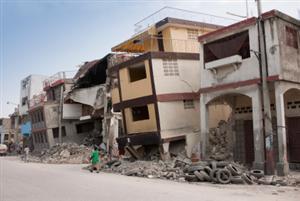
Which building material absorbs the most vibration from an impact? During an earthquake, vibrations travel through walls and floors. Some materials pass that energy along more than others.
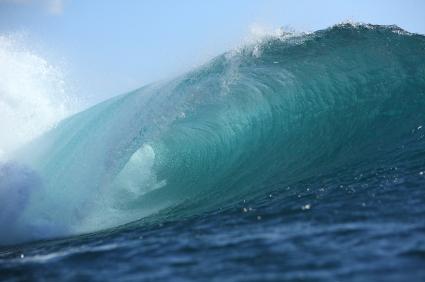
You place a tray of water on top of each material. Then you swing a metal ball on a string into the side. Test wood first. Then brick. Then concrete. The height of the wave in the water shows how much vibration passed through.
Timber produces the tallest waves. Concrete produces the smallest. The difference between them is dramatic.
Hypothesis
The hypothesis is that timber is suitable for use as a building material in earthquake-prone areas.
During an earthquake, vibrations travel through walls and floors — but not every building material passes that energy the same way. You swing a metal ball into wood, brick, and concrete and measure the waves it produces in a tray of water sitting on top of each material. Timber produces the tallest waves; concrete produces the smallest. That difference reveals how much vibration each material absorbs, and why the choice of material matters when a structure needs to handle repeated impact.
Not all building materials absorb an impact the same way. In this project, you swing a metal ball into wood, brick, and concrete, then measure the waves in a water tray placed on top of each. Timber produces the tallest waves — meaning more shaking passes through. Concrete produces the smallest, absorbing the most vibration before it can travel.
Method & Materials
You will set up an experiment to measure the amount of vibration absorbed by different building materials. You will suspend a metal ball from the ceiling and knock it against the materials to measure the height of the waves in a tray of water.
You will need a transparent plastic or glass tray, tap water, a spherical metal ball with a hook, a meter-long string, a concrete slab, 6 bricks, a piece of timber, a ruler, and a small table.
Tinker Crate — science & engineering build kits for ages 9–12 — real tools, real experiments, delivered monthly. (Affiliate link)
The experiment showed that the impact of the metal ball on the timber wood produced the highest wave in the water compared to the brick and concrete. This means that timber is more structurally stable during an earthquake and is less likely to collapse during tremors.
Why do this project?
This science project is interesting because it tests the strength of different building materials in an earthquake-prone area. It also shows how the right building materials can help minimize the destruction caused by an earthquake.
Also Consider
Try repeating the experiment using different materials like steel and reinforced concrete. You can also repeat the experiment by increasing the weight of the metal ball or adding base isolators under the water tray.
Full project details
Additional information and source material for this project are available below.