

Plant Variety and Animal Species Richness
Medium

Do areas with more plant species also attract more animal species? Plants sit at the base of the food web. They also provide shelter for other organisms. This project tests whether richer plant communities support richer animal communities.
You mark out plots in two different habitats. One has few plant types, like a grass lawn. The other has many, like a forest edge or wildflower field. You observe and count every species in each plot using a magnifying lens.
Compare your species counts to see whether plant variety predicts animal variety.
Hypothesis
The hypothesis is that biological communities that contain a greater variety of plants will have a higher biodiversity in the form of species richness.
Science Concepts Learned
Food Web
A food web is rooted in plants. The more plant species a habitat has, the more food sources exist for the animals mapped within that web. Comparing plots with few plant types to those with many reveals how plant variety shapes the feeding relationships that connect living things in a place.
Species Richness
Species richness counts how many different types of living things share one place. A forest edge with many plant types often supports more animal species than a simple lawn does. You can test this by marking plots in each habitat and counting every species you find there.
Method & Materials
You will identify two very different biological communities, measure three plots of land in each, and take an inventory of all the species within the boundaries.
You will need a tape measure, string/yarn, sticks, a camera or sketchpad, and a magnifying lens.
Eureka Crate — engineering & invention kits for ages 12+ — monthly projects that build real-world skills. (Affiliate link)
See what’s includedResults
After completing the experiment, you will have a better understanding of how different types of plants can affect the biodiversity of a region. One observation that stands out is that plants are often critical components of communities because they form the base of the food web, as well as provide living structures and microclimates for other organisms in the community.
Why do this project?
This science project is interesting and unique because it allows students to explore the impact of different plant communities on biodiversity in their own environment.
Also Consider
Variations of this experiment could include measuring the biodiversity of aquatic environments or measuring the biodiversity of different types of soil.
Full project details
Additional information and source material for this project are available below.Related videos
These videos explain the science behind this project and demonstrate key concepts used in the experiment.
Share this Science Project:
Browse by Grade
Featured In
Related Science Fair Project Ideas
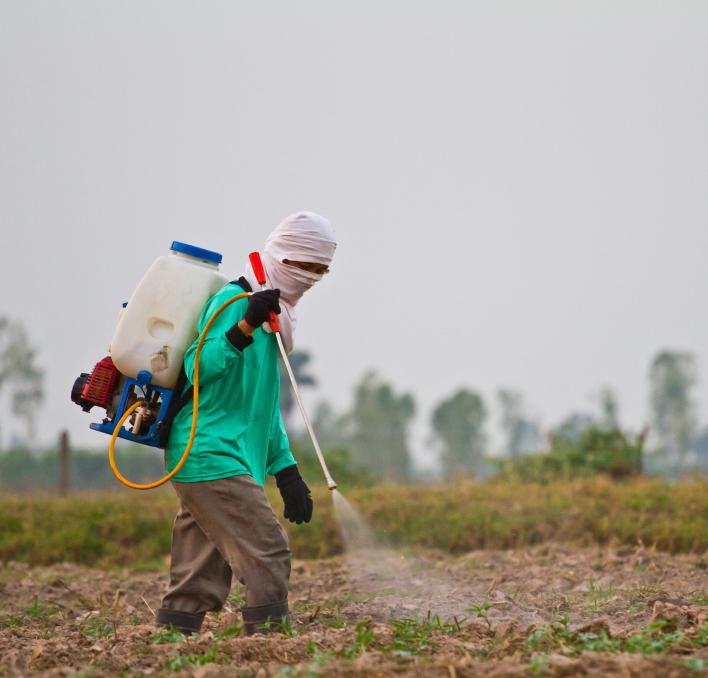
Spray plants with three homemade kitchen-ingredient solutions and compare their protection to a chemical pesticide.
Medium
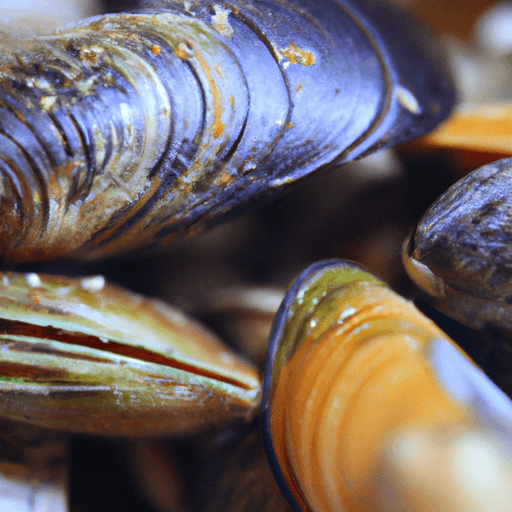
Collect zebra mussels from three lakes of different acidity and test whether the most acidic water produces the weakest shells.
Medium

Bury three types of spoons in soil for 30 days and weigh them to find out which ones actually decompose.
Medium
Share this Science Project: