

Play-Doh Solar System to Scale
Easy
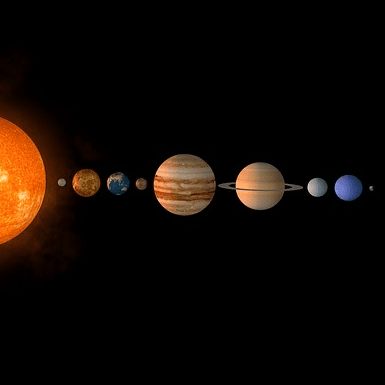
You have probably seen pictures of the planets lined up in a neat row. But those pictures rarely show how different the planets are in size.
You use Play-Doh to build scale models of the planets and the Moon. Each ball of Play-Doh matches the real size ratio between planets. Tiny Mercury sits next to a much larger Jupiter.
When you finish, you can also space them out to match their real distances from the Sun.
Hypothesis
The hypothesis is that creating Play-doh scale models of planets and moons will help students understand the relative size and distance between them.
Science Concepts Learned
Solar System Scale
Pictures of the planets rarely show how different they are in size. Play-Doh changes that. Each ball you build matches the real size ratio between planets, so tiny Mercury sits next to a much larger Jupiter. When you finish, you can also space them out to match their real distances from the Sun, showing both scale and separation at once.
Scale Models
A good scale model keeps the real size ratio between objects. You use Play-Doh to build each planet so that each ball matches the true size ratio. Tiny Mercury sits next to a much larger Jupiter, showing differences that flat pictures rarely capture.
Method & Materials
You will predict and then make models based on the actual size and distance of celestial bodies such as the Moon, Mars, and planets in the Solar System using Play-doh. The models are as follows: 1) For the moon and Earth: Make 50 equal balls, 1 ball is the moon and 49 balls put together forms the Earth. The distance between the moon and Earth is 30 Earth diameters. 2) Divide the dough in half. One half is Earth. Divide the rest of the dough into 7 balls. One of them is Mars. Take one of the balls and divide into 7 balls. One of the balls is the moon. The distance between Earth and Mars is 7 city blocks! 3) For the Solar System, look at the Project page below for details. You will then compare your models to see how they differ from your predictions.
You will need 3lbs of Play-doh, paper, pens, and rulers to create scale models of the Earth, Moon, Mars, and the Solar System.
MEL Physics — hands-on physics experiment kits delivered monthly — real experiments, not just reading. (Affiliate link)
See what’s includedResults
After creating Play-doh scale models of planets and moons, it is clear that the distances and sizes of celestial bodies are difficult to comprehend without visual aids. One observation that stands out is how small Pluto is compared to the other planets.
Why do this project?
This science project is unique because it allows students to create tangible representations of the vast and complex celestial bodies in our solar system. It also helps students understand the relative sizes and distances of these celestial bodies.
Also Consider
1) Create a scale model of the entire Milky Way galaxy. 2) Research and compare the densities of different celestial bodies.
Full project details
Additional information and source material for this project are available below.Related video
These videos explain the science behind this project and demonstrate key concepts used in the experiment.
Watch this NASA video to gain a better understanding of the real size and distance between each planet in our solar system!
Share this Science Project:
Browse by Grade
Related Science Fair Project Ideas
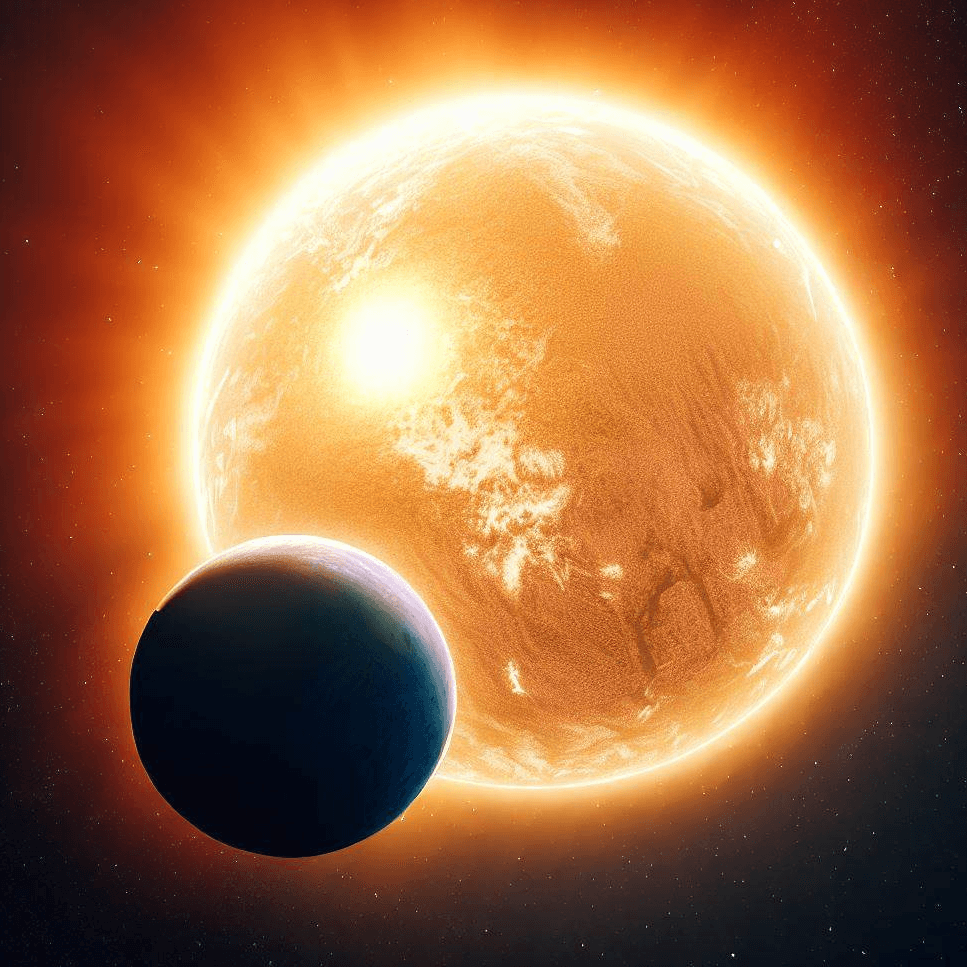
Build a scale model of the Sun and Earth and count how many Earths fit across its width.
Easy
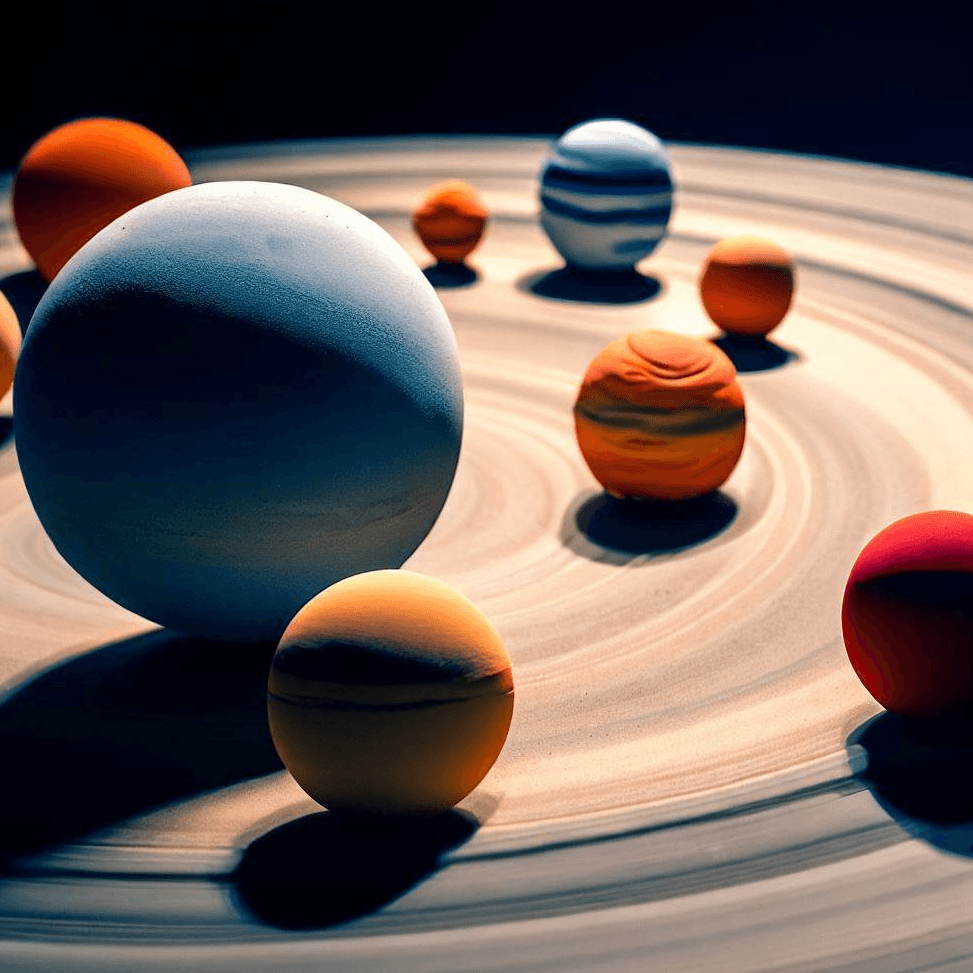
Turn a balloon into the Sun and shape play dough planets to build a tabletop solar system model.
Easy
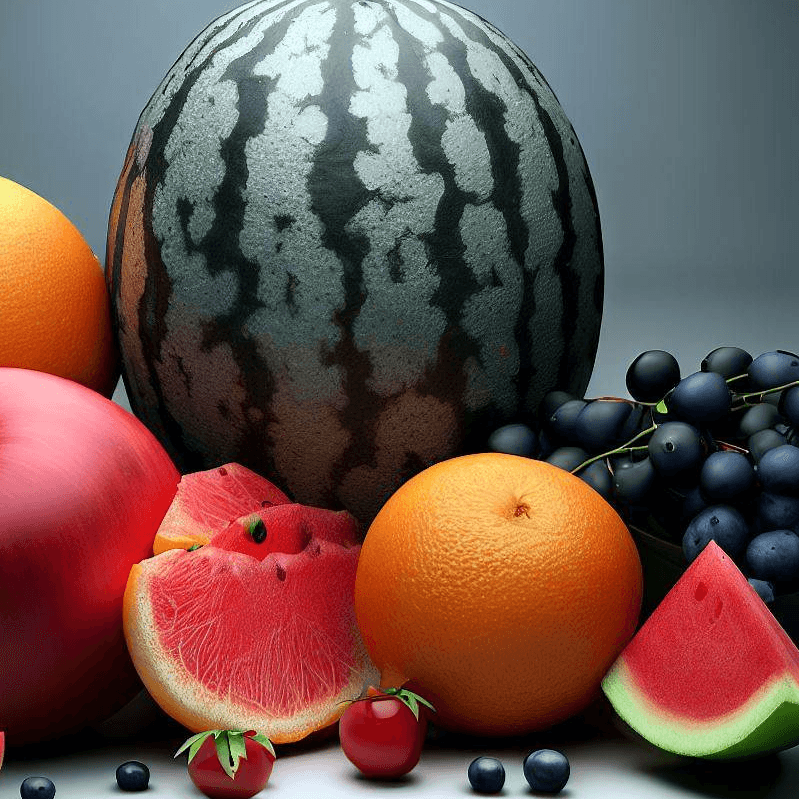
Pick a fruit to match each planet's size and line them up to see how the solar system is spaced out.
Easy
Share this Science Project: