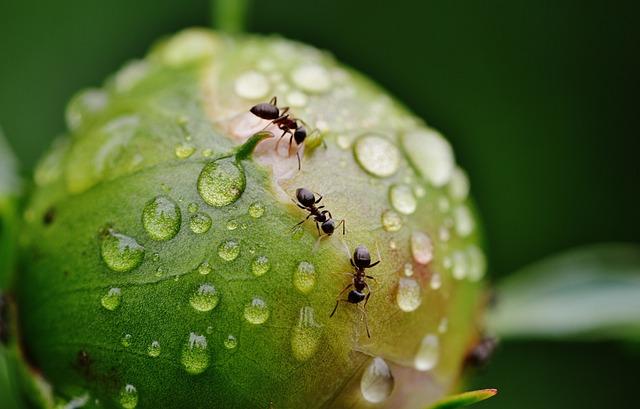
What happens to ants when you put them in a refrigerator for ten minutes? Ants are active insects that dig tunnels and build mounds. But their speed depends on the temperature around them.
You fill a glass jar with soil to make an ant observatory. First you watch the ants move at room temperature. Then you place the jar in a refrigerator for ten minutes and observe them again.
After cooling, the ants move much slower. As the temperature rises back up, they become active again.
Hypothesis
The hypothesis is that temperature changes will affect the activity of ants.
Ants dig tunnels and build mounds, but their speed depends entirely on the temperature around them. You fill a glass jar with soil to make an ant observatory, then watch the ants move at room temperature. Next, place the jar in a refrigerator for ten minutes. When you check again, the ants move much slower. As the temperature rises back up, they become active again. That shift in activity shows what happens when an animal cannot produce its own body heat — the environment controls the pace.
Ants depend on outside warmth to stay active. You can see this directly by filling a glass jar with soil to make an ant observatory and watching the ants move at room temperature. After ten minutes in a refrigerator, they move much slower. As the temperature rises back up, they become active again — the same ants, responding entirely to the heat around them.
Method & Materials
You will need an ant observatory and some ants. To make an observatory, fill a glass jar with soil and close the lid. Notice the activity of the ants as they move around at room temperature, then place the observatory in the refrigerator for 10 minutes.
You will need an ant observatory, some ants, a glass jar, soil, and a cooler or refrigerator.
After the 10 minutes are up, you'll observe how the ants' activity has changed. At colder temperatures, the ants will move slower. As the temperature goes up, the ants will become more active.
Why do this project?
This science project is interesting and unique because it allows us to observe how temperature changes affect the behavior of ants.
Also Consider
Experiment variations to consider include testing the effects of different temperatures on the ants, or testing the effects of different types of environments on the ants.
Full project details
Additional information and source material for this project are available below.