Temperature and Solar Cells
Hypothesis
Science Concepts Learned
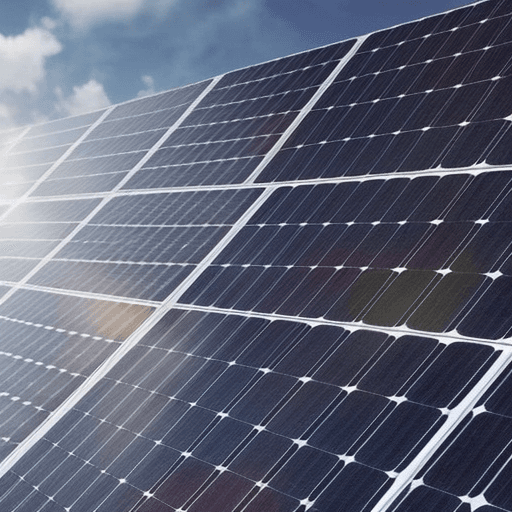
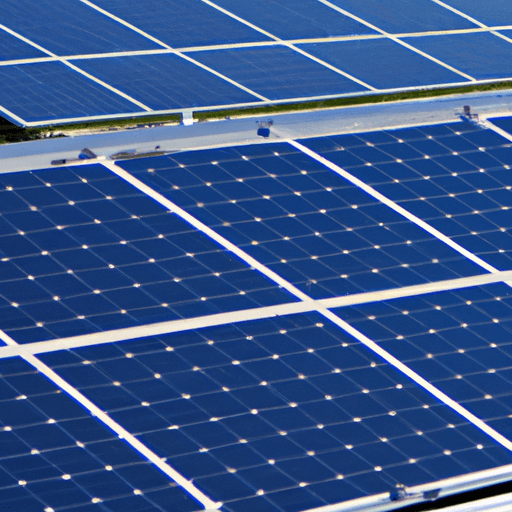
Heat changes how much light a solar cell turns into power. You investigate by exposing a solar cell to different temperatures and measuring the voltage in millivolts, the current in milliamps, and the power in watts. The power is higher at lower temperatures.
A solar cell generates voltage and current when light strikes it, but temperature changes how well that process works. You investigate by exposing a solar cell to different temperatures and measuring the voltage in millivolts, the current in milliamps, and the power in watts. Power tends to be higher at lower temperatures.
A solar cell captures light from the sun and turns it into power — voltage, current, and watts you can measure. Temperature affects how much the cell generates. Higher temperatures tend to reduce the voltage and current, while lower temperatures produce more power.
A solar cell generates both voltage — the push that drives electricity — and current, the amount that flows. You can measure both: voltage in millivolts, current in milliamps, and calculate power in watts. Temperature affects how much the cell generates, with higher temperatures tending to reduce both readings.
Heat changes how well power flows through a solar cell, and you can measure this shift directly. Temperature affects the voltage, current, and power generated by a solar cell — higher temperatures reduce all three. When the cell cools down, the power rises again, showing how heat alters the flow of electricity through the cell material.
Silicon is a semiconductor — it conducts electricity only part of the time, and temperature affects how well it performs. You investigate by exposing a solar cell to different temperatures and measuring the voltage in millivolts, the current in milliamps, and the power in watts. Power is higher at lower temperatures, showing that heat changes how well the cell conducts electricity.
Method & Materials
MEL Physics — hands-on physics experiment kits delivered monthly — real experiments, not just reading. (Affiliate link)
See what’s includedResults
Why do this project?
Also Consider
Full project details
Additional information and source material for this project are available below.Related Science Fair Project Ideas