Homemade Telegraph and Morse Code
Hypothesis
Science Concepts Learned
A telegraph turns the push and flow of tiny charges into a signal you can read. You build two stations from cardboard and wire, each with a thumbtack switch and a light. Press the switch on one station and charges flow through the wire — the light on the other station turns on. Release it and the flow stops. Short presses make dots and long presses make dashes, which you string together to spell out words one letter at a time.
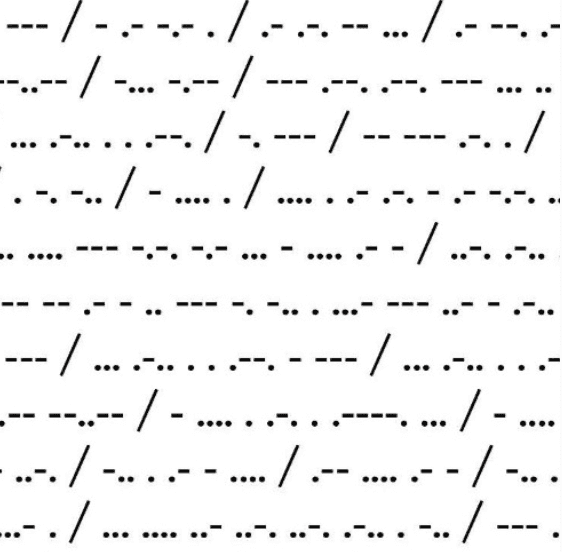
Morse Code turns switch presses into patterns of dots and dashes — short and long signals that stand for each letter of the alphabet. When you tap the switch quickly, that's a dot. Hold it longer, and you've made a dash. String those patterns together, and you can spell out full words one letter at a time.
Method & Materials
MEL Physics — hands-on physics experiment kits delivered monthly — real experiments, not just reading. (Affiliate link)
See what’s includedResults
Why do this project?
Also Consider
Full project details
Additional information and source material for this project are available below.Related video
Related Science Fair Project Ideas