

Oil Spills, Cleanup Methods, and Bird Feathers
Medium
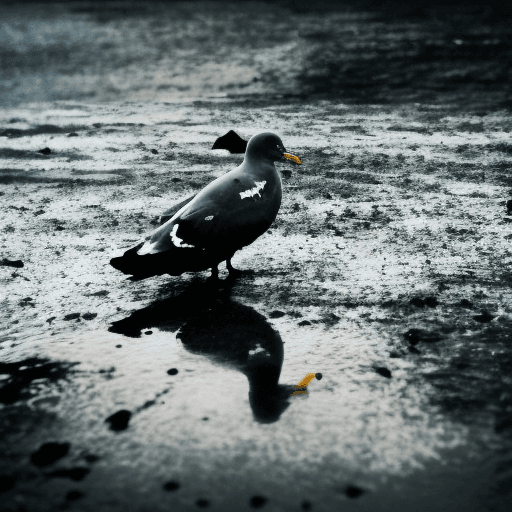
What happens to a bird feather after it touches oil-covered water? Oil spills coat everything on the water surface. Cleaning up that oil is harder than it looks.
You run three experiments. First, you add colored cooking oil to a bottle of blue water. You watch where the oil goes and drop in a cork to see how it gets coated. Second, you build a mini shoreline in a pan. You try cleaning the oil with cotton balls and straw. You also test sponges and other materials. Third, you dip a bird feather in oily water and try to clean it.
After cleaning, the feather no longer fluffs up or floats well. Oil strips away the feather's ability to insulate and repel water.
Hypothesis
The hypothesis is that oil spills have a negative effect on marine life.
Science Concepts Learned
Oil Spill
Oil spills coat everything on the water surface, including bird feathers. This experiment makes that damage visible. You dip a feather in oily water, then try to clean it — and even after cleaning, the feather no longer fluffs up or floats well. Oil strips away the feather's ability to insulate and repel water.
Method & Materials
You will create an oil spill in a bottle, observe how it affects marine life, and test different materials to clean it up.
You will need cooking oil mixed with black tempura paint, one or more glasses or clear plastic pans of water tinted with blue food coloring, sand, gravel, a wide-mouthed glass bottle with cap, water, a cork or toy boat, bird feathers, cotton balls, straw/hay, cut-up panty hose, paper towels, popcorn, sponges, sawdust, sand, bandage pads, rope/string, turkey basters or eye droppers, popsicle sticks, and liquid dishwashing detergent diluted in a spray bottle.
Tinker Crate — science & engineering build kits for ages 9–12 — real tools, real experiments, delivered monthly. (Affiliate link)
See what’s includedResults
The results of this experiment show that oil spills have a negative effect on marine life. The oil coats the feathers of birds, making them unable to fluff up and float. It also coats the cork, making it sink. Cleaning up the oil spill is difficult, as the oil mixes with the water and some of it sinks to the bottom.
Why do this project?
This science project is interesting and unique because it allows students to create their own oil spill and observe the effects it has on marine life. It also allows them to test different materials to clean up the spill and see which ones are most effective.
Also Consider
Experiment variations to consider include testing different types of oil, testing different materials to clean up the oil spill, and testing different types of marine life to observe the effects of the oil spill.
Full project details
Additional information and source material for this project are available below.Share this Science Project:
Related Science Fair Project Ideas
Place guppies in five tanks at different acid levels and track survival every two hours to find the tipping point.
Medium
Add denitrifying bacteria to pond water and track whether nitrate levels drop faster than in untreated samples over three weeks.
Medium
Collect water from a boatyard, marina, beach, and tap, then send all four to a lab to compare heavy metal levels.
Medium
Share this Science Project: