

Rainwater pH Across Your Neighborhood
Easy
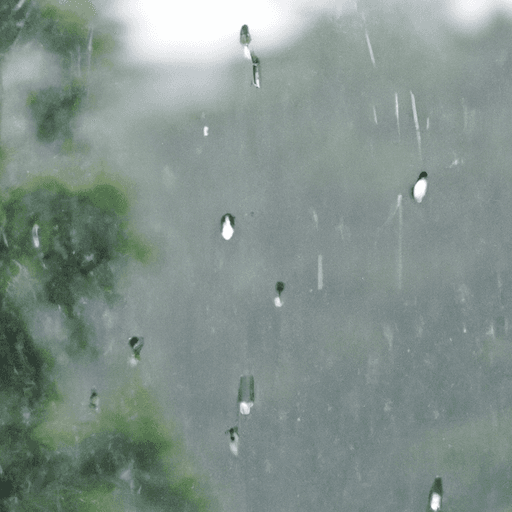
Does rain have the same acidity everywhere in your neighborhood? Normal rain is slightly acidic. Pollution from cars and factories can make it even more acidic.
You collect rainwater in a small cup each time it rains. You test the pH with a test strip and bring the strip to class. Everyone pins their strips on a neighborhood map at the spot where they collected. Over several rainy days, the map fills up with data from many locations.
You compare pH readings across the neighborhood. Did some areas have more acidic rain? Did the acidity change over the weeks? The patterns may point to local pollution sources.
Hypothesis
The hypothesis is that the pH of rainwater will differ from one place to another.
Method & Materials
You will collect rainwater in your neighborhood, measure its pH with test strips, and compare your findings with other students.
You will need pH test strips and a plastic 1-oz. cup for each student.
Tinker Crate — science & engineering build kits for ages 9–12 — real tools, real experiments, delivered monthly. (Affiliate link)
See what’s includedResults
The results of this experiment showed that the pH of rainwater does indeed differ from one place to another. One observation that stood out was that the pH of rainwater was higher in areas with more industrial activity.
Why do this project?
This science project is interesting and unique because it allows students to explore the environment around them and gain a better understanding of how different factors can affect the pH of rainwater.
Also Consider
Experiment variations to consider include testing the pH of a river and other water sources in the city.
Full project details
Additional information and source material for this project are available below.Related video
These videos explain the science behind this project and demonstrate key concepts used in the experiment.
Share this Science Project:
Browse by Grade
Related Science Fair Project Ideas
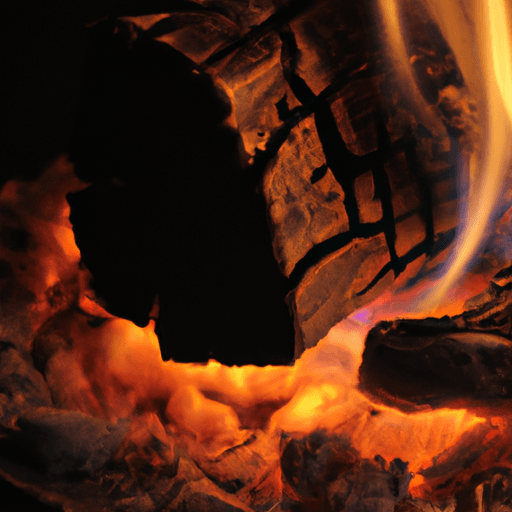
Survey people who use different home heating types and find out which group reports the most respiratory illness.
Easy
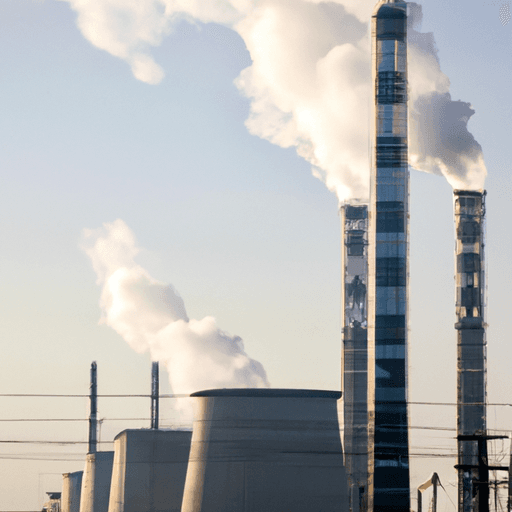
Design an air pollution questionnaire and discover which facts most people get right and which ones surprise them.
Easy
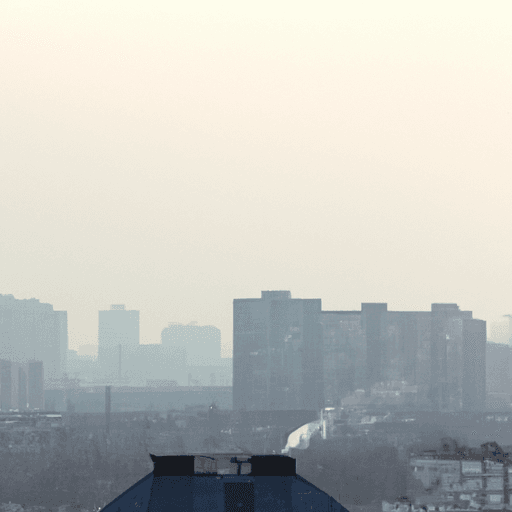
Coat microscope slides with petroleum jelly, place them around your neighborhood, and discover which spots collect the most airborne particles.
Easy
Share this Science Project: