

Cardboard Tube Stethoscope and Heart Rate
Easy
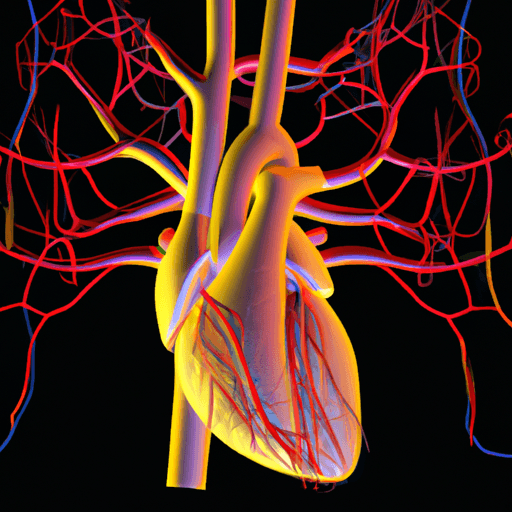
Can you hear a heartbeat through a cardboard tube? A paper towel roll works like a simple stethoscope when held against someone's chest.
You press the tube over a partner's heart and count the beats for 30 seconds. Multiply by two to get beats per minute. Then one person runs in place for one minute. Listen again and count the new rate.
The heart beats faster after exercise because the muscles need more oxygen. Comparing the resting and active rates shows how the body adjusts to physical effort.
Hypothesis
The hypothesis is that the heart rate increases after exercise.
Science Concepts Learned
Heart Rate
Press a cardboard tube over a partner's chest and you can hear each heartbeat. Count the beats for 30 seconds, then multiply by two to get the beats per minute. That simple calculation gives you the resting heart rate — the starting point before any exercise.
Exercise Physiology
Your body responds to movement in ways you can measure. One partner exercises for one minute. You then measure the heart rate again to see how it changed.
Circulatory System
Your heart pumps blood all day long. You can hear it beat through a tube. It beats faster after you run.
Method & Materials
You will pair up with a partner, build a stethoscope, and measure each other's heartbeats. Then, one partner will exercise for one minute and you will measure the heart rate again.
You will need a cardboard tube from a paper towel roll for each pair of students.
Kiwi Crate — hands-on STEAM project kits for ages 6–9, delivered monthly. (Affiliate link)
See what’s includedResults
After the experiment, it was observed that the heart rate increased after exercise. This shows that the heart rate increases to pump more blood to the working muscles.
Why do this project?
This science project is unique because it allows students to build their own stethoscope and measure their own heartbeats.
Also Consider
Experiment variations to consider include measuring the heart rate after different types of exercise, such as running, jumping, or dancing.
Full project details
Additional information and source material for this project are available below.Share this Science Project:
Related Science Fair Project Ideas
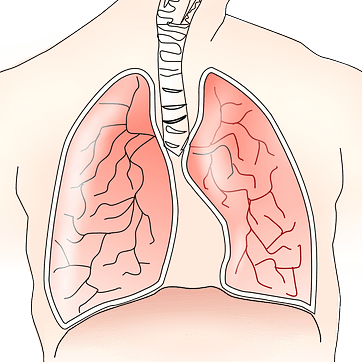
Have choir singers and non-singers each inflate a balloon in one breath, then measure which group blows them bigger.
Easy
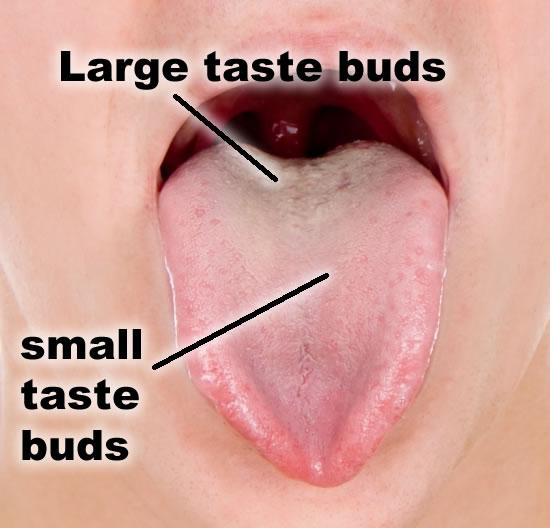
Blindfold volunteers and plug their noses to discover how much harder it is to identify foods.
Easy
Build paper immune cells and act out how your body detects and destroys a virus in the bloodstream.
Easy
Share this Science Project: