

Fans, Evaporation, and Cooling
Medium
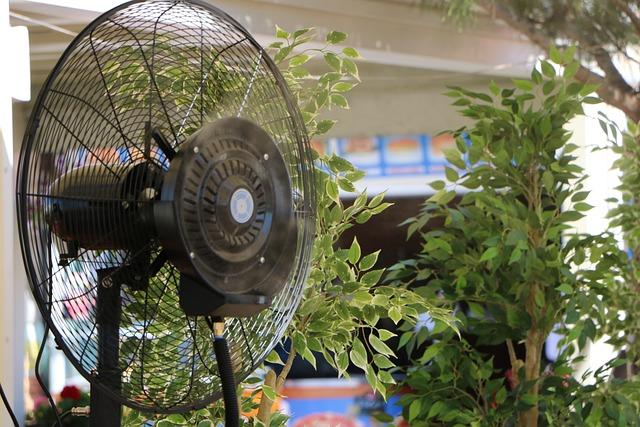
Does a fan actually lower temperature or does it just move air around? When air blows across a wet surface it carries moisture away faster. This is the same reason you feel cooler when a breeze hits sweaty skin.
You place warm water in two identical pans. One pan sits sixteen inches in front of a fan on medium speed. The other pan sits out of reach of any airflow. You check both pans at regular intervals and record when the water is gone.
The pan in front of the fan dried up in about three and a half hours. The other pan took about twenty-seven hours. That is roughly five times longer.
Hypothesis
The hypothesis is that the pan with the fan blowing on it will evaporate more quickly than the pan without the fan.
Method & Materials
You will place two pans of warm water 16 inches apart. One will be in the path of a fan, and the other will be left alone. You will measure the time it takes for each pan to evaporate and record the results.
You will need two pans, a fan, a thermometer, and a timer.
MEL Physics — hands-on physics experiment kits delivered monthly — real experiments, not just reading. (Affiliate link)
See what’s includedResults
The results showed that the pan with the fan blowing on it evaporated 5.170 times faster than the pan without the fan. This suggests that the fan is able to evaporate the water quicker, replacing the warm moisture with a cooler layer.
Why do this project?
This science project is interesting because it shows how a fan can be used to cool down the body.
Also Consider
Experiment variations to consider include using different temperatures of water and different speeds of the fan.
Full project details
Additional information and source material for this project are available below.Related video
These videos explain the science behind this project and demonstrate key concepts used in the experiment.
Share this Science Project:
Related Science Fair Project Ideas
Drop food coloring into three jars of different temperature water and watch the color spread at wildly different speeds.
Medium
Burn equal pieces of oak, maple, cedar, and pine under water to discover which wood type produces the most heat.
Medium

Compare water in a wide plate versus a narrow glass, sun versus shade, and fan versus still air to see what speeds up evaporation.
Medium
Share this Science Project: