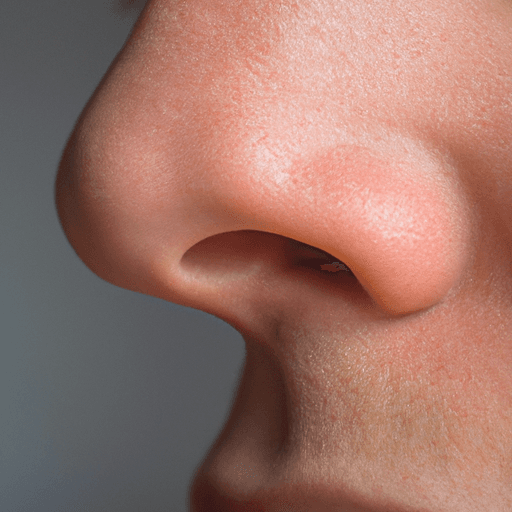
Can you tell the difference between lemon and orange just by smelling them? Your nose can recognize thousands of scents. But some smells are much harder to tell apart than others.
You collect items with strong scents. Good choices include coffee and chocolate as well as garlic and mint. Place each item in a separate container with a hole in the lid. Blindfold a volunteer and ask them to sniff each container. They guess the item and rate how strong the smell is.
After testing several people you compare the results. Common and distinct smells are easier to identify. Similar smells like sawdust and pencil shavings are often confused.
Hypothesis
The hypothesis is that people can recognize a wide variety of smells.
Your nose can recognize thousands of scents, but some smells are much harder to tell apart than others. To test this, collect items with strong scents — coffee, chocolate, garlic, and mint are good choices. Place each in a separate container with a hole in the lid. Blindfold a volunteer and ask them to sniff each container, guess the item, and rate how strong the smell is. After testing several people, compare the results. Common and distinct smells like coffee and chocolate are easier to identify. Similar smells like sawdust and pencil shavings are often confused.
Your nose can recognize thousands of scents. But some smells are much harder to tell apart than others. Common scents like coffee and garlic are easy to name. Similar smells like sawdust and pencil shavings are often confused. This shows that olfaction works best with strong, distinct scents.
Method & Materials
You will collect several items that have distinctive smells and have people guess the smells.
You will need a blindfold or container to hold the smelly items, and smells such as lemon, orange peel, cedar wood, perfume soaked cotton, banana, pine needles, chocolate, coffee, dirt, vanilla, garlic, onion, mint, vinegar, rose flowers, saw dust, ginger, peppermint, and pencil shavings.
Tinker Crate — science & engineering build kits for ages 9–12 — real tools, real experiments, delivered monthly. (Affiliate link)
The results of the experiment showed that common and more distinct smells were easier for people to guess, while smells that were similar were hard for people to distinguish.
Why do this project?
This science project is interesting and unique because it tests a person's sense of smell and how well they can distinguish between different smells.
Also Consider
Experiment variations to consider include testing different smells, or testing people with different levels of sensitivity to smells.
Full project details
Additional information and source material for this project are available below.