

Moon Phases and Rise-Set Times
Easy
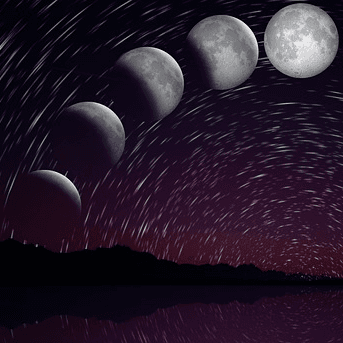
Why does the Moon look different each night? As the Moon orbits Earth, the sunlit side you can see changes shape. This cycle of shapes is called the lunar phases.
You observe the Moon over a full cycle and record what you see. At full Moon, it rises at sunset and sets at sunrise. At third quarter, it rises at midnight. At new Moon, it rises with the Sun and the lit side faces away from you.
Watch how the crescent grows from new Moon to first quarter. It keeps growing until it is full again. Compare the waxing (growing) crescent to the waning (shrinking) crescent. Notice which side is lit in each phase.
Hypothesis
The hypothesis is that the Moon's phases are caused by its orbit around the Sun.
Science Concepts Learned
Lunar Phases
Each night the Moon reveals a different sliver of its sunlit half. As the Moon orbits Earth, you can watch the crescent grow from new Moon to first quarter, then keep growing until the full lit face appears. After that, it shrinks back through the same shapes in reverse — waxing on one side, waning on the other.
Method & Materials
You will observe the Moon's phases over a period of time and record your observations.
You will need a telescope, a notebook, and a calendar.
MEL Physics — hands-on physics experiment kits delivered monthly — real experiments, not just reading. (Affiliate link)
See what’s includedResults
Through careful observation, it was discovered that the Moon's phases are caused by its orbit around the Sun. The most interesting observation was that the Moon appears to be a different shape each night.
Why do this project?
This science project is interesting and unique because it allows students to observe the Moon's phases over time and learn about the science behind them.
Also Consider
Experiment variations to consider include observing the Moon's phases during different times of the year and comparing the Moon's phases in different locations.
Full project details
Additional information and source material for this project are available below.Related video
These videos explain the science behind this project and demonstrate key concepts used in the experiment.
Share this Science Project:
Browse by Grade
Related Science Fair Project Ideas
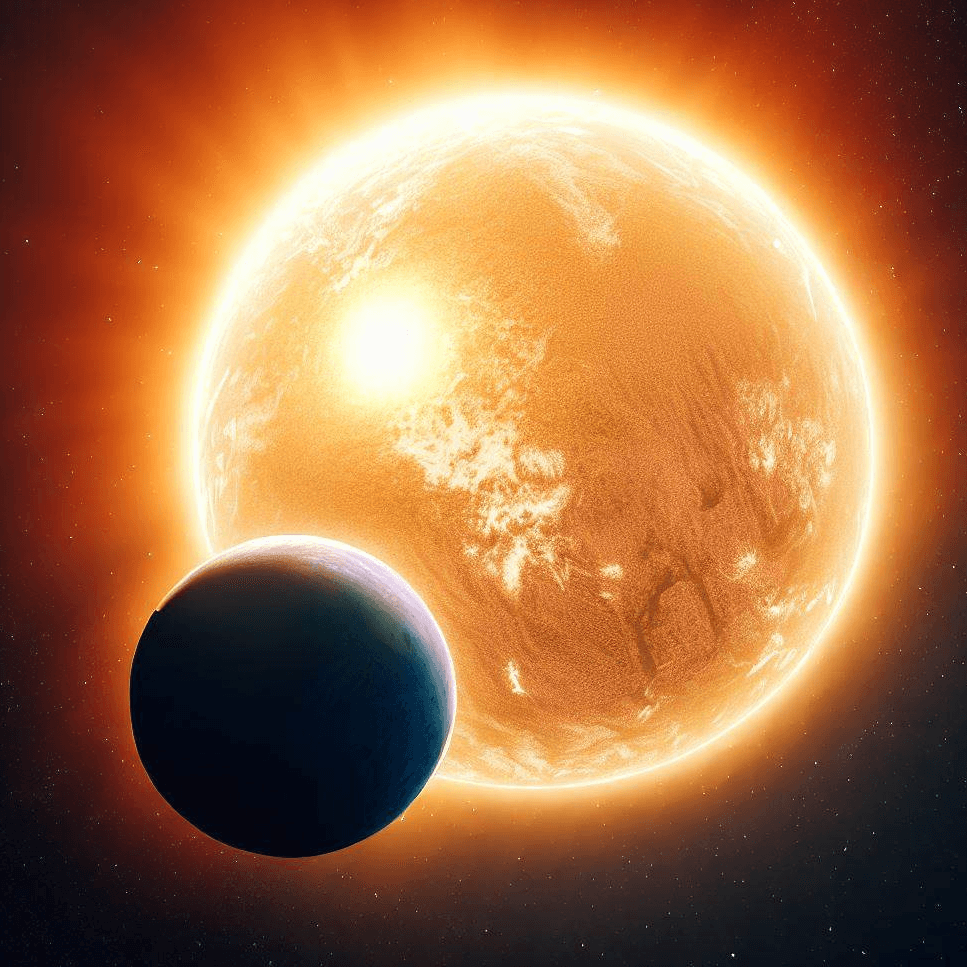
Build a scale model of the Sun and Earth and count how many Earths fit across its width.
Easy
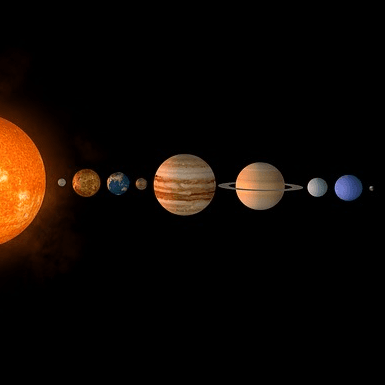
Shape Play-Doh into scale-sized planets and discover how tiny Earth looks next to Jupiter.
Easy
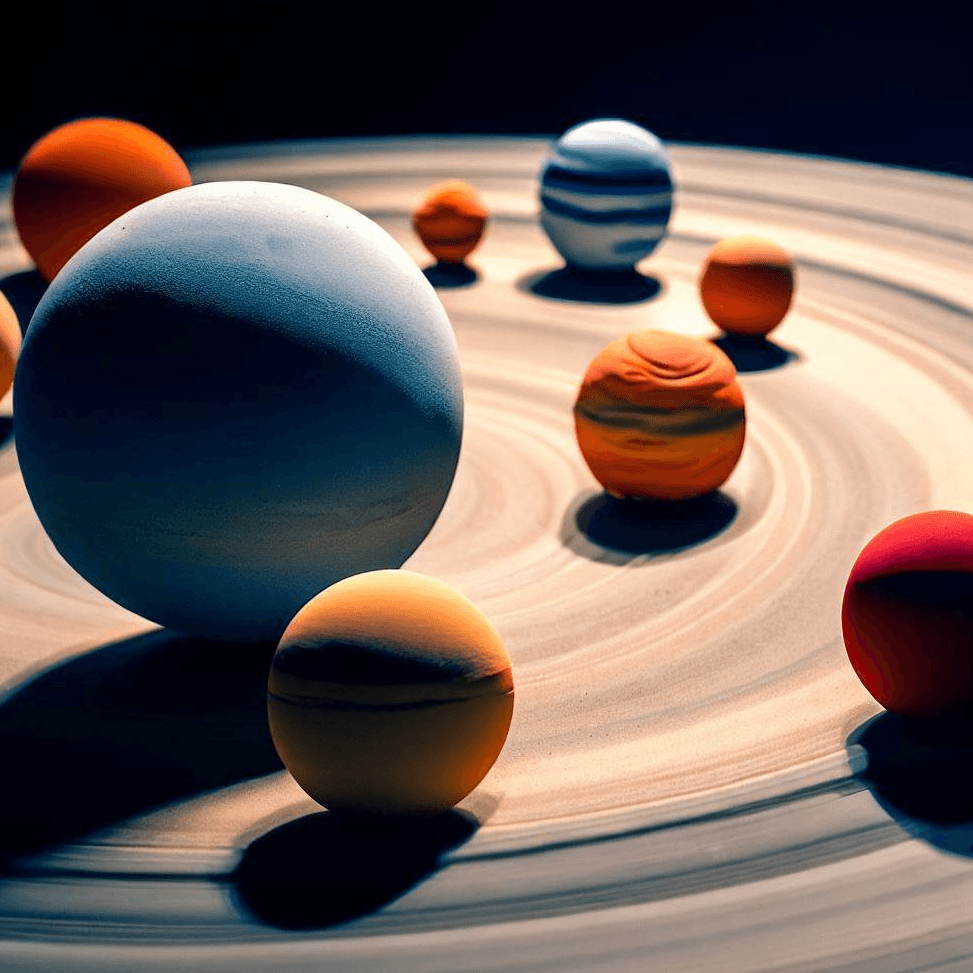
Turn a balloon into the Sun and shape play dough planets to build a tabletop solar system model.
Easy
Share this Science Project: