Light Color and Elodea Oxygen Production
Hypothesis
Science Concepts Learned
Chlorophyll is the green pigment in leaves that captures sunlight to make food for plants. You can test how light color affects this process by placing elodea under red, blue, green, yellow, and white cellophane filters hung in front of a lamp. After 16 hours, the results are striking: red and blue light each produced 1 mL of oxygen, while green produced no measurable oxygen at all.
Each color of light has a different wavelength, and plants respond to some wavelengths more than others. When elodea sits under red or blue cellophane, it produces 1 mL of oxygen, but green light yields no measurable oxygen at all. The wave size determines the color, and that color controls how much energy the plant can capture.
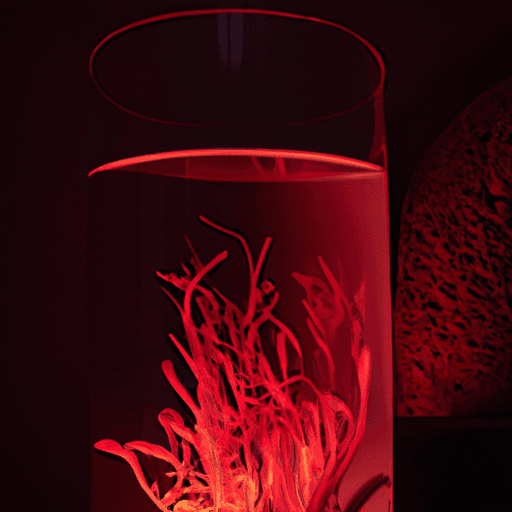
Elodea is a water plant that releases oxygen during photosynthesis — the process plants use to turn light into food. That oxygen goes directly into the surrounding water, raising dissolved oxygen levels. When you place elodea strands under different colors of light, each color created by hanging colored cellophane in front of a lamp, the differences are striking. Red and blue light each produced 1 mL of oxygen after 16 hours, matching white light. Yellow produced half as much. Green produced no measurable oxygen at all. Capturing the gas in a graduated cylinder makes the difference easy to see.
Method & Materials
Tinker Crate — science & engineering build kits for ages 9–12 — real tools, real experiments, delivered monthly. (Affiliate link)
See what’s includedResults
Why do this project?
Also Consider
Full project details
Additional information and source material for this project are available below.Related video
Browse by Grade
Related Science Fair Project Ideas