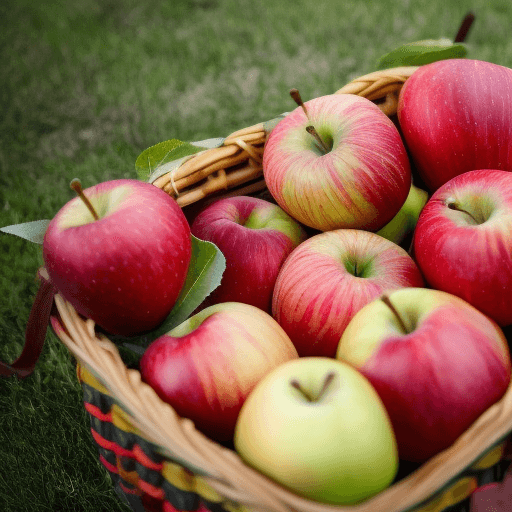
Does one ripe apple really speed up ripening in the apples around it? Plants use a gas hormone called ethylene to signal when fruit should ripen. One ripe apple releases ethylene that can trigger nearby fruit to ripen faster.
You test ripeness using an iodine staining method. Cut an apple in half and soak the cut face in iodine solution. Unripe apples contain starch, which turns black with iodine. As the fruit ripens starch converts to sugar. The dark stain fades.
Design experiments to test how ripe and unripe apples interact. Place them together in sealed bags and score ripeness over time. Compare results against apples stored alone to measure how ethylene from one fruit affects the rest.
Hypothesis
The hypothesis is that hormones play a role in synchronizing the ripening of apples.
Fruit ripening converts starch into sugar, and you can see this change directly. An iodine staining method reveals how much starch remains inside an apple. Unripe apples contain starch, which turns black with iodine, but as ripening progresses, the dark stain fades because sugar has replaced the starch.
Ethylene is a gas hormone that coordinates ripening across nearby fruits. When one ripe apple releases ethylene, it signals unripe apples nearby to ripen faster. You can measure this effect using an iodine staining method. Unripe apples contain starch that turns black with iodine. As ethylene drives ripening, starch converts to sugar and the dark stain fades.
Unripe fruit stores energy as starch, then breaks it down into sweet sugars during ripening. Iodine solution turns black on starch but not on sugar. As an apple ripens, the dark stain fades — showing starch has converted to sugar.
Method & Materials
You will make an iodine solution, cut apples in half, and soak them in the solution. You will then compare the apples to a ripeness chart to determine the ripeness score.
You will need McIntosh or Red Delicious apples, potassium iodide, iodine crystals, shallow glass or plastic trays, a knife and cutting board, and other common supplies such as other fruit, plastic and paper bags, apple fragrance, and different sizes or varieties of apples or pears.
Eureka Crate — engineering & invention kits for ages 12+ — monthly projects that build real-world skills. (Affiliate link)
The results of this experiment showed that hormones play a role in synchronizing the ripening of apples. The most interesting observation was that the ripeness of the apples was affected by the presence of other ripening apples.
Why do this project?
This science project is unique because it explores the role of hormones in synchronizing the ripening of apples.
Also Consider
Experiment variations to consider include testing different types of fruit, such as bananas, oranges, and pineapples, at different stages of ripeness, and testing different sizes or varieties of apples or pears.
Full project details
Additional information and source material for this project are available below.