Search for Science Fair Projects

1000 Science Fair Projects with Complete Instructions

Botany Science Fair Project

Radish Height in Soil vs. Hydroponics
Hard
Radish Height in Soil vs. Hydroponics | Science Fair Projects | STEM Projects
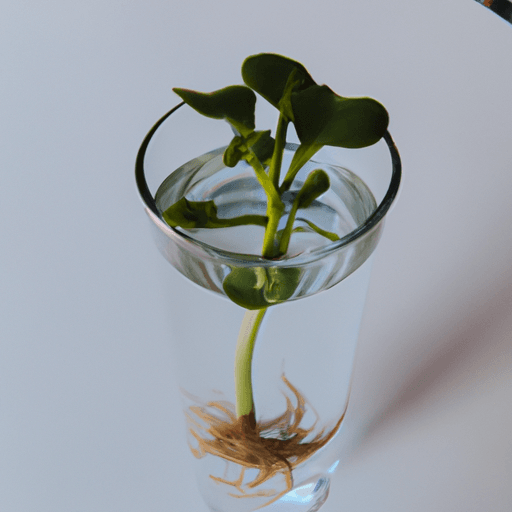
Do radishes grow taller in soil or in a hydroponic system (where roots sit in nutrient-rich water instead of dirt)? You set up three growing methods side by side: - A soil tray watered once a week - A water culture system with an air pump bubbling nutrients around the roots - A flood-and-drain system that soaks the roots three times a day All three groups grow under the same grow light on the same schedule. You measure each plant every other day. The soil-grown radishes averaged 5.75 cm tall. The flood-and-drain group reached 3 cm. The water culture group reached only 2.5 cm.

Hypothesis

The hypothesis is that the plants grown using hydroponics will grow taller than in soil.

Science Concepts Learned

Hydroponics

Hydroponics replaces soil with nutrient-rich water so roots absorb food directly from liquid. This experiment compares three methods: a soil tray, a water culture system with an air pump, and a flood-and-drain system. The soil-grown radishes actually grew tallest, showing that water-based growing does not always outperform dirt.

Growing Media

Different growing media deliver nutrients to roots in different ways. Soil releases minerals slowly as water passes through it. A flood-and-drain system soaks the roots three times a day in nutrient solution. A water culture system uses an air pump bubbling nutrients around the roots nonstop. In one experiment, soil-grown radishes averaged 5.75 cm tall. The flood-and-drain group reached 3 cm, and the water culture group reached only 2.5 cm. The medium roots sit in shapes how well the plant takes up what it needs.

Method & Materials

You will germinate seeds, set up a water culture system, a flood and drain system, and a soil system.
You will need a grow light, drill, large tubs, rubber stoppers, tubes, bottle, air pump, nutrient solution, potting soil, machinery cloth, wood shavings, spray bottle, ruler, bubble rock, tubing connectors, top loading balance, paper towels, plates, and well water.

Tinker Cratescience & engineering build kits for ages 9–12 — real tools, real experiments, delivered monthly. (Affiliate link)

See whats included

Results

The results indicate that the hypothesis should be rejected because the soil plants grew the tallest. The average height of the soil plants was 5.75 cm, flood and drain plants was 3 cm and water culture plants was 2.5 cm.

Why do this project?

This science project is interesting because it explores the differences between plants grown in soil and hydroponically.

Also Consider

Variations to consider include using different types of soil, different types of hydroponic systems, and different types of plants.

Full project details

Additional information and source material for this project are available below.

Related video

These videos explain the science behind this project and demonstrate key concepts used in the experiment.
Share this Science Project:

Related Science Fair Project Ideas

X-Ray Exposure and Seed Growth
Expose green bean seeds to X-rays for different lengths of time and discover which group grows the tallest sprouts.
Hard
Water Temperature and Spirogyra Color
Grow algae at five different water temperatures and use a colorimeter to find out which one produces the deepest green.
Hard
Smoke, NO2, and Black Pine Germination
Expose black pine seeds to smoke or NO2 gas and compare their sprouting rate against seeds given only plain water.
Hard
Share this Science Project: