

Earthworms, Water Levels, and Bean Growth
Medium
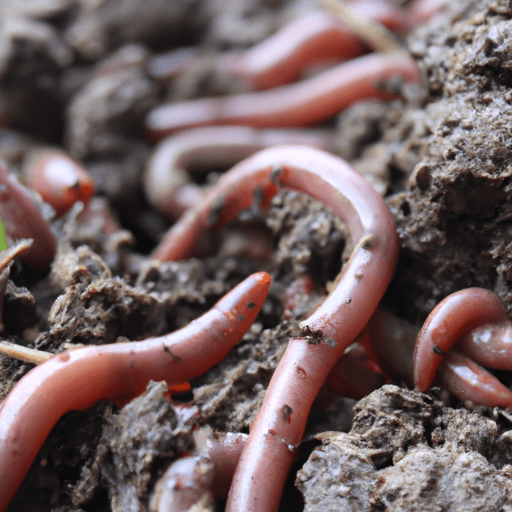
Do earthworms help plants grow taller even when watering is not ideal? You set up six pots of lima beans. Three pots contain four earthworms each. Three have no worms. Within each group you water at three levels:
- 50 mL per day (dry)
- 100 mL per day (moist)
- 150 mL per day (very wet)
The moist group (100 mL) grew tallest overall. The very wet group grew the least. The pots with earthworms outperformed their matching no-worm pots at every water level. Even the dry-with-worms pot grew well despite getting the least water.
Hypothesis
The hypothesis is that the bean plants with the earthworms will grow taller.
Science Concepts Learned
Earthworms and Soil Health
Earthworms mix and loosen soil, making it easier for plant roots to reach water and nutrients. A test with six pots of lima beans — three with four earthworms each, three without — showed this effect across every watering level. The pots with earthworms outperformed their matching no-worm pots at 50, 100, and 150 mL per day. Most striking was the dry-with-worms pot: even getting the least water, it grew well, because worms had improved the soil structure enough to make up the difference.
Method & Materials
You will place 220 g of potting soil in each of the six pots, label them, add four earthworms to each pot, drop one lima bean in the holes, cover the seeds with the soil, pat the soil down, and water the plants with different amounts of water.
You will need 18 whole lima beans, 5,400 mL of tap water, 6 plant pots, 1,320 g of potting soil, 12 earthworms, 1 bottle of "Schlutz Plant Food", 1 bucket that can hold 1,000 mL, and 1 measuring cup.
Tinker Crate — science & engineering build kits for ages 9–12 — real tools, real experiments, delivered monthly. (Affiliate link)
See what’s includedResults
The results of the experiment showed that the average height of the plants of the "Moist" (100 mL) groups was greater than any of the other groups. The groups with the least amount of growth were the “Very Wet” groups. The worms must have helped because the plants in “Dry with worms” (50 mL) grew rather high even though it had a lack of water.
Why do this project?
This science project is interesting because it can help farmers living in areas of low rainfall to learn how to keep their plants alive.
Also Consider
Experiment variations to consider include testing the effects of different types of soil and different types of worms.
Full project details
Additional information and source material for this project are available below.Related video
These videos explain the science behind this project and demonstrate key concepts used in the experiment.
Share this Science Project:
Browse by Grade
Related Science Fair Project Ideas
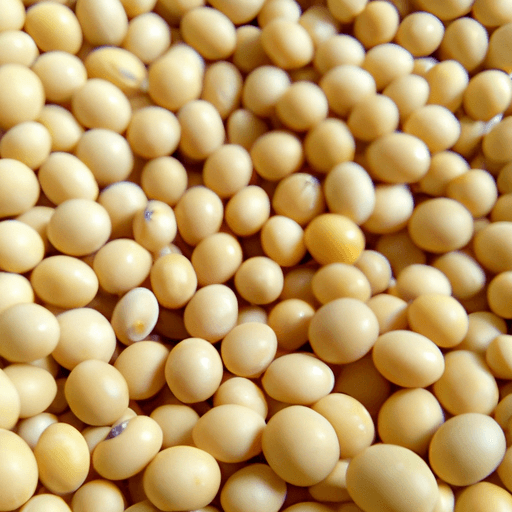
Sort soybean seeds by weight and test whether heavier or lighter seeds push through 10 centimeters of soil faster.
Medium
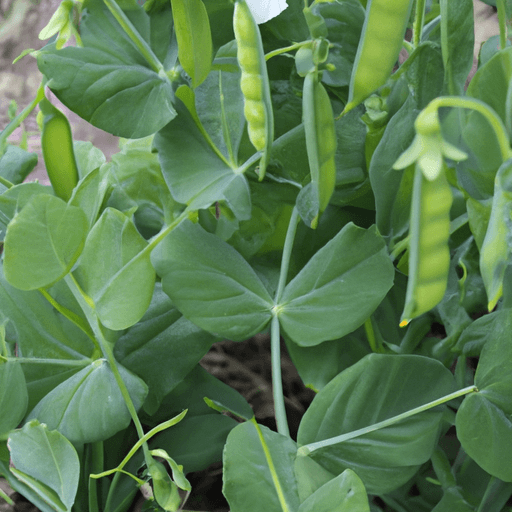
Plant pea seeds in 14 different soil samples and track which root diseases appear most often as the plants grow.
Medium
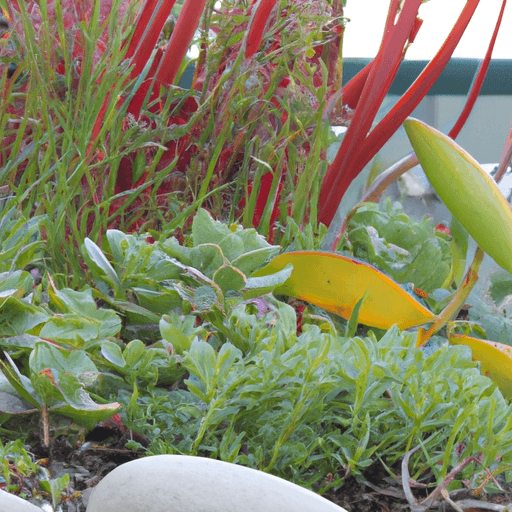
Clone a plant using leaf cuttings, stem cuttings, or layering and compare which method grows new roots first.
Medium
Share this Science Project: