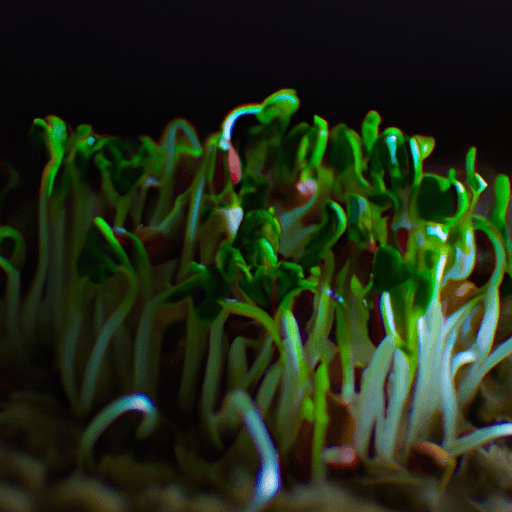
Does ozone gas slow down plant growth? You plant radish seeds in ten cups and split them into two groups. One group sits inside a sealed bag connected to an ozone generator. The other group grows in normal air. Both groups receive the same water and light for three and a half weeks.
The radishes in air averaged 19.7 cm in length. The radishes in ozone averaged only 13.1 cm. The ozone group also germinated more slowly. By the final week, the ozone-exposed plants began to shrivel and die.
Hypothesis
The hypothesis is that the ozone will reduce the growth of the radishes due to lack of carbon dioxide, and that the amount that the plant grows will be higher when set in its original air.
Ozone is a reactive gas that damages plant tissue and slows normal development — a direct example of how harmful chemicals affect living things at specific doses. In this project, radishes exposed to ozone averaged only 13.1 cm compared to 19.7 cm grown in normal air. The ozone group also began to shrivel and die, showing a measurable toxic effect at the tissue level.
Plants need clean air to take in the water, light, and nutrients required to build new cells. Radish seeds exposed to ozone gas averaged only 13.1 cm in height, compared to 19.7 cm in normal air. The ozone group also germinated more slowly — clear evidence that air quality directly shapes plant growth.
While ozone high in the atmosphere shields Earth from harmful sunlight, ozone near the ground can damage living plants. Radish seedlings exposed to ozone gas grew to only 13.1 cm on average, compared to 19.7 cm for radishes in normal air. The ozone-exposed plants also germinated more slowly, and by the final week they began to shrivel and die.
Method & Materials
You will gather materials, plant radish seeds, water them, place them in air or ozone, and measure the plants at the end of the experiment.
You will need 20 radish seeds, 10 styrofoam cups, 1 ozonator, 240 g soil, 2 100 wt lamps, 2 big clear plastic bags, 1 roll of scotch tape, 5-10 newspaper pages, 1 ruler with metric measurement, and 1 light timer for ozonator.
Eureka Crate — engineering & invention kits for ages 12+ — monthly projects that build real-world skills. (Affiliate link)
The results showed that the plants in ozone germinated slower than the plants in air, and grew slower until the last week, when the plants in ozone started dying and shriveling. The plants in ozone averaged only at 13.1 cm long while the plants in air averaged at 19.7 cm long.
Why do this project?
This science project is interesting because it shows how ozone can have a negative effect on the growth of plants, which can be important for farmers to know.
Also Consider
Variations to consider include testing the plants in a CO2 environment, starting the trials earlier, and conducting them longer to observe the extended growth.
Full project details
Additional information and source material for this project are available below.