Magnets, Wire, and a Glowing Bulb
Medium
Can spinning magnets inside a coil of wire light a bulb? Moving magnets create a push on the electric charges inside metal. That push is called voltage.
You wind thin wire around a small cardboard box. Then you mount four ceramic magnets on a nail inside the box. When you spin the nail fast, the changing magnetic field forces charges through the wire and into a tiny bulb.
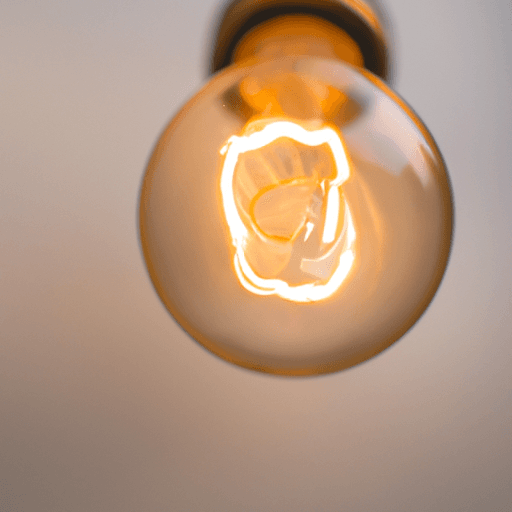
A hand-crank drill spins the magnets fast enough to light the bulb brightly. The filament glows because charges speed up inside its narrow wire and produce heat.
Hypothesis
The hypothesis is that spinning magnets will generate electricity to light up a bulb.
Method & Materials
You will score and fold a cardboard strip, poke a hole through it, spin the magnets, wind the wire, scrape the wire ends, tape the wire down, stick the magnets around the nail, twist the wire ends to the light bulb, and spin the magnets to generate electricity.
You will need four 1cm x 2cm x 5cm ceramic magnets, one #30 magnet wire 200ft, one miniature incandescent lamp, one cardboard strip, one large nail, a knife or sandpaper to strip the wires, tape to hold the wire down, and a hand drill or electric drill to spin it.
MEL Physics — monthly physics experiment kits delivered to your door. (Affiliate link)
See what’s includedResults
This project demonstrates how spinning magnets can generate electricity to light up a bulb. The most interesting observation is that the electricity generated is enough to light up a bulb.
Why do this project?
This science project is interesting and unique because it shows how electricity can be generated with simple materials.
Also Consider
Experiment variations to consider include using different types of magnets, different types of wire, and different types of light bulbs.
Full project details
Additional information and source material for this project are available below.Related video
These videos explain the science behind this project and demonstrate key concepts used in the experiment.
Share this Science Project:
Related Science Fair Project Ideas
Insert copper electrodes into sand, clay, loam, and fertilized loam to discover which soil carries the strongest electrical current.
Medium
Measure LED bulbs from 1.5 to 10.5 watts with a lux meter and find which tiny wattage matches a 60-watt incandescent bulb.
Medium
Rub a balloon on four different-colored wigs and count paper squares to see which hair color builds the most static charge.
Medium
Share this Science Project: