

Air Pressure and the Egg in a Bottle
Medium
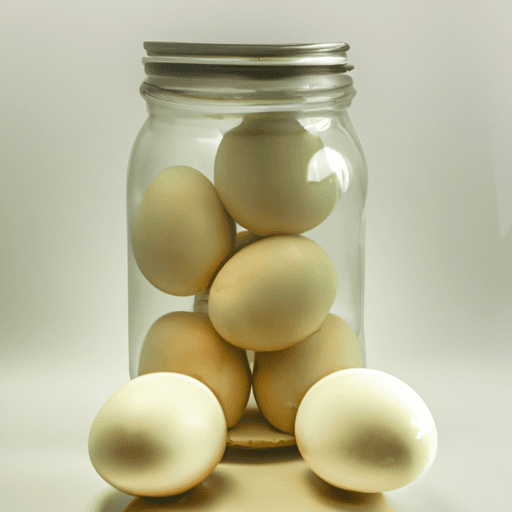
Can air pressure push a peeled egg into a narrow-mouthed jar? Place a hard-cooked egg on the jar's opening. It just sits there. Air pushes equally from all sides.
Now drop two lit matches into the jar and set the egg back on top. The matches heat the air inside. Some air escapes past the egg. As the remaining air cools, it shrinks.
The outside air now pushes harder than the air inside. That difference in pressure forces the egg through the opening. The egg is pushed in, not sucked in.
Hypothesis
The hypothesis is that air pressure can push an egg into a bottle.
Method & Materials
You will peel the shells off two hard-cooked eggs, place one of the eggs on the mouth of the jar, and observe the egg after dropping two well-lit matches into the jar.
You will need a narrow-mouthed jar, two hard-cooked eggs, and wooden matches.
MEL Physics — hands-on physics experiment kits delivered monthly — real experiments, not just reading. (Affiliate link)
See what’s includedResults
The egg was pushed into the jar by the air in the room. It is a misconception to say it was "sucked" into the jar. When the balance of pressure was changed, the egg moved.
Why do this project?
This science project is interesting and unique because it shows how air pressure can be used to move an object.
Also Consider
Experiment variations to consider include using different sizes of eggs and bottles, or using different types of matches.
Full project details
Additional information and source material for this project are available below.Related video
These videos explain the science behind this project and demonstrate key concepts used in the experiment.
Share this Science Project:
Browse by Grade
Related Science Fair Project Ideas
Float a tiny aluminum foil square on water and count how many rice grains it holds before sinking at five different temperatures.
Medium

Launch three brands of tennis balls with different hardness levels and measure whether softer balls travel farther.
Medium

Drop rice grains onto foil floating in pure and salt water at five temperatures to map how surface tension weakens.
Medium
Share this Science Project: