

Moth Camouflage and Predator Evasion
Easy
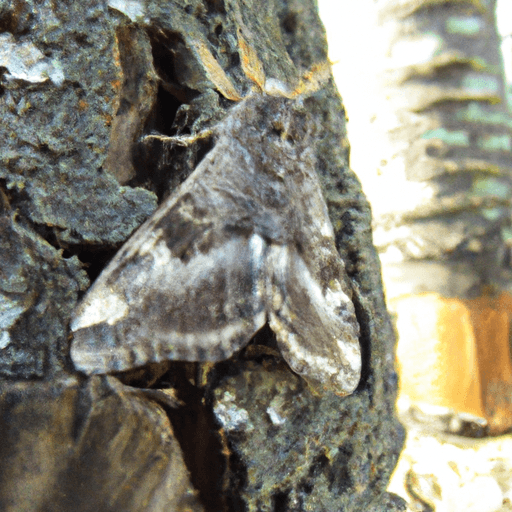
Can you make a paper moth impossible to find in a room? Animals survive by blending into their surroundings. This is called camouflage.
Cut out moth shapes from paper. Study the colors and patterns around your house. Use crayons or paint to match each moth to a specific spot.
Hide a moth and time how long a searcher takes to find it. The best camouflage makes the moth nearly invisible. Try different rooms and surfaces to see which hiding spots work best.
Hypothesis
The hypothesis is that animals can use camouflage to hide from predators.
Science Concepts Learned
Camouflage
Animals blend in by matching colors and patterns around them. You can test this with paper moths. Paint a moth to match a spot. Then time how long a search takes.
Method & Materials
You will cut out moth figures, look for patterns, colors, shapes, and shadows in your house, and use crayons, markers, paint, fabric, or anything else to create moths that will match its surroundings.
You will need scissors, glue, crayons, markers, paint, fabric, and a cereal box or stiffer paper.
Kiwi Crate — hands-on STEAM project kits for ages 6–9, delivered monthly. (Affiliate link)
See what’s includedResults
After testing the moths' camouflage, it was found that some places were harder to find the moth than others. It was also discovered that different moths could be designed to hide in different places.
Why do this project?
This science project is unique because it allows students to explore the concept of camouflage in a fun and creative way.
Also Consider
Experiment variations to consider include tracing the moths to make more, or using a stuffed lunch bag as a larger animal to decorate and hide.
Full project details
Additional information and source material for this project are available below.Related videos
These videos explain the science behind this project and demonstrate key concepts used in the experiment.
Share this Science Project:
Browse by Grade
Related Science Fair Project Ideas
Pick three species at a zoo or botanical garden and trace their taxonomy to find out where their branches of the tree of life overlap.
Easy

Feed your fish at the same time each day and watch whether it waits in the same spot before meals.
Easy

Give mealworms a choice between light and dark or wet and dry and discover which conditions they prefer every time.
Easy
Share this Science Project: