Search for Science Fair Projects

1000 Science Fair Projects with Complete Instructions

Fungi Science Fair Project

Bread Mold and Growing Conditions
Easy
Bread Mold and Growing Conditions | Science Fair Projects | STEM Projects
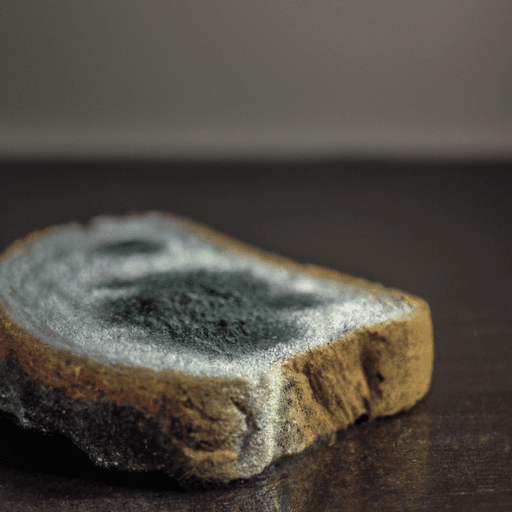
Does mold grow faster in a warm place or a cold one? Mold is a simple fungus that feeds on food sources like bread. Tiny spores (seed-like particles) land on the surface and start growing when conditions are right. You rub a cotton swab covered in household dust across a piece of bread. Then you add a few drops of water and seal the bread inside a plastic bag. Place the bag in a warm spot and check it every day. Within a few days, fuzzy patches of mold appear on the bread. You can test different conditions by placing bags in warm and cold spots. You can also compare fresh bread to stale bread.

Hypothesis

The hypothesis is that mold requires moisture and warmth to grow.

Science Concepts Learned

Mold

Mold is a fuzzy fungus that grows on damp food. Tiny spores (seed-like particles) float through the air and land on surfaces like bread. When you add water and seal bread in a warm spot, those spores find the right conditions and grow into visible fuzzy patches within days.

Temperature and Microbial Growth

Warmth is one key condition that lets a simple fungus like mold get started. Tiny spores land on a surface and begin growing when conditions are right. Rub a cotton swab of household dust across a piece of bread, add a few drops of water, and seal it in a plastic bag. Place one bag in a warm spot and another in the cold, then check daily to see where fuzzy patches appear first.

Moisture

Moisture is water on a surface. Mold needs that water to grow. You add a few drops of water to bread and seal it in a bag. The water stays on the bread's surface. Within a few days, fuzzy patches of mold appear.

Fungi

Mold is a simple fungus that feeds on food sources like bread. Tiny spores land on the surface and start growing when moisture and warmth are present. Rub a cotton swab of household dust across a piece of bread, add a few drops of water, and seal it in a plastic bag. Place it in a warm spot and check it every day — within a few days, fuzzy patches appear.

Spores

Spores are tiny seed-like particles that start growing when conditions are right. In this experiment, you collect dust on a cotton swab and rub it on bread. You add water and wait for mold to appear.

Method & Materials

You will collect dust on a cotton swab, rub it on a piece of bread, add water, put the bread in a bag, and wait for the mold to appear.
You will need an eye dropper, a Ziploc® bag, a piece of bread, a cotton swab, masking tape, and water.

Tinker Cratescience & engineering build kits for ages 9–12 — real tools, real experiments, delivered monthly. (Affiliate link)

See whats included

Results

The results of this experiment show that mold grows faster on bread when it is wet and warm.

Why do this project?

This science project is interesting and unique because it allows you to observe the growth of mold in a controlled environment.

Also Consider

Experiment variations to consider include trying to grow mold on toast and testing different temperatures to see how it affects the growth of mold.

Full project details

Additional information and source material for this project are available below.

Related video

These videos explain the science behind this project and demonstrate key concepts used in the experiment.
Share this Science Project:

Related Science Fair Project Ideas

Storage Conditions and Bread Mold Growth
Store bread slices in five different conditions and track which one grows mold first and which stays fresh the longest.
Easy
Bread Mold and Storage Conditions
Store five bread slices in five different conditions and find out which environment grows mold first and which keeps it away the longest.
Easy
Fruit Paste and Bread Shelf Life
Compare four loaves of bread baked with different dried fruit pastes and discover which one resists mold the longest.
Easy
Share this Science Project: