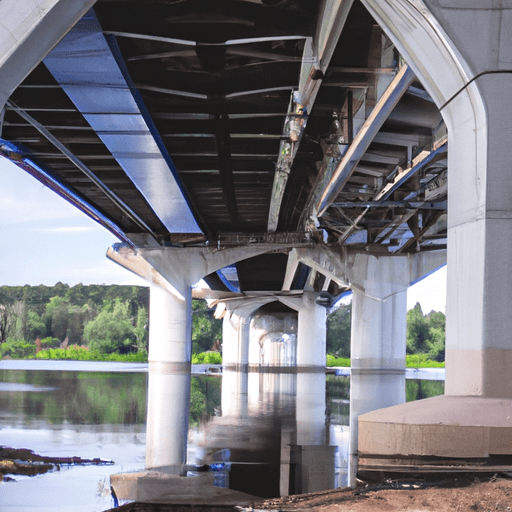
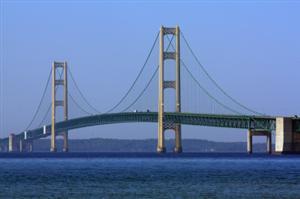
Does the shape of a bridge affect how much weight it can hold? Engineers choose from many bridge designs. Each one handles force in a different way.
You build three bridges with different structural designs. Then you place weights on each one and measure how much it bends. The amount of flex tells you which design resists force the best.
Comparing the results shows which shape distributes weight most effectively.
Hypothesis
The hypothesis is that the Truss Bridge will support the most weight.
The overall shape of a structure determines its load-bearing strength. Engineers choose from many bridge designs because each one handles force in a different way. You can test this by building three bridges with different structural designs and placing weights on each one. The amount each bridge bends tells you which design resists force best and holds the most weight before it breaks.
Engineers choose from many bridge designs because each one handles force in a different way. Building three bridges and placing weights on each reveals how well each structure spreads a heavy load across its members. The amount of flex tells you which design resists force the best, showing that shape determines how load distributes across a structure.
Shape determines how a bridge handles force. You build three bridges from popsicle sticks, each with a different structural design, then place weights on each one and measure how much it bends using a micrometer. The amount of flex tells you which design resists force most effectively — and comparing those results shows which shape distributes weight best.
Method & Materials
You will construct a stand for the bridges using Legos, build three bridges out of Popsicle sticks, and measure the amount they flex using a micrometer.
You will need a box of 180mm Popsicle sticks, a micrometer, three bridges constructed of Popsicle sticks, a stand constructed of Legos, two 45kg weights, two .225kg weights, and one 1.25kg weight.
Eureka Crate — engineering & invention kits for ages 12+ — monthly projects that build real-world skills. (Affiliate link)
The results of the experiment showed that the truss bridge was the strongest and the arch was second. Span was weakest and flexed the least. This suggests that the hypothesis should be accepted.
Why do this project?
This science project is interesting because it helps civil engineers to create stronger bridges for the increasing population.
Also Consider
Variations to consider include testing bridges using cables to see if they hold more weight than no cable bridges, and testing other types of bridges.
Full project details
Additional information and source material for this project are available below.