

Cockroach Maze Learning
Hard

You might think of cockroaches as simple pests. But can they actually learn to solve a maze? This project uses Y-shaped and E-shaped mazes to test whether cockroaches remember a path.
You place a cockroach at the start of a Y-maze and note which arm it enters first. Then you cover that arm with a dark shelter as a reward. Over several trials you track whether the cockroach returns to the sheltered arm more often.
The E-maze adds a third choice to make the task harder. By comparing results, you find out whether cockroaches show signs of learning.
Hypothesis
The hypothesis is that cockroaches can learn and have a sense of direction.
Method & Materials
You will construct a Y-maze and an E-maze, provide a positive stimulus, and observe the cockroaches to see if they can learn.
You will need a Y-maze, an E-maze, a clear Plexiglas maze cover, a roach hut, an opaque cardboard cover, disposable latex gloves, a giant cockroach, a small plastic container with a lid, and student information sheets.
Tinker Crate — science & engineering build kits for ages 9–12 — real tools, real experiments, delivered monthly. (Affiliate link)
See what’s includedResults
After constructing the mazes and providing a positive stimulus, the cockroaches were observed to see if they could learn. It was found that the cockroaches were able to learn and had a sense of direction.
Why do this project?
This science project is interesting and unique because it provides students with the opportunity to observe and work with an insect they normally find offensive.
Also Consider
Experiment variations to consider include providing different stimuli and using different types of mazes.
Full project details
Additional information and source material for this project are available below.Share this Science Project:
Related Science Fair Project Ideas
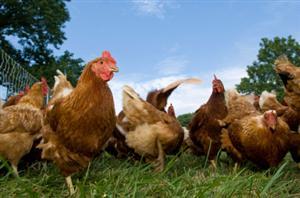
Time roosters and hens racing to a food tray with and without a log obstacle to see which group adapts faster.
Hard
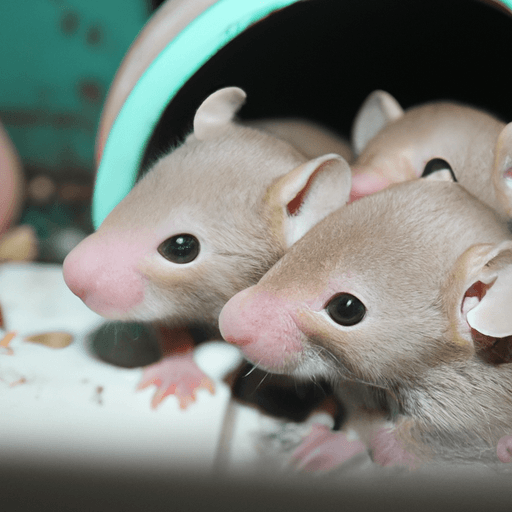
Race male and female mice through a cardboard maze, then use a T-maze to discover each mouse's paw preference.
Hard
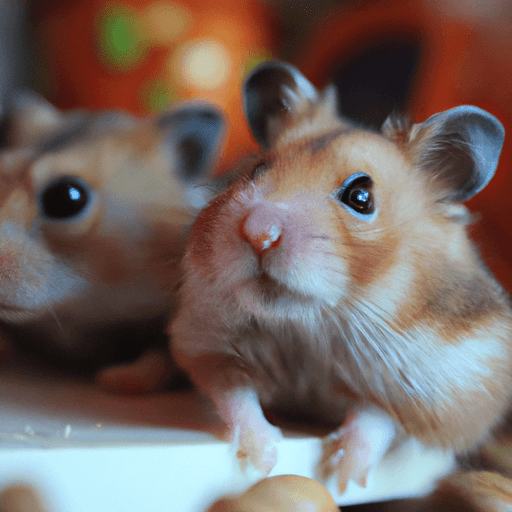
Build a cardboard maze, send hamsters and mice through it ten times each, and discover which species learns the route faster.
Hard
Share this Science Project: