

Lichens as Acid Rain Detectors
Medium
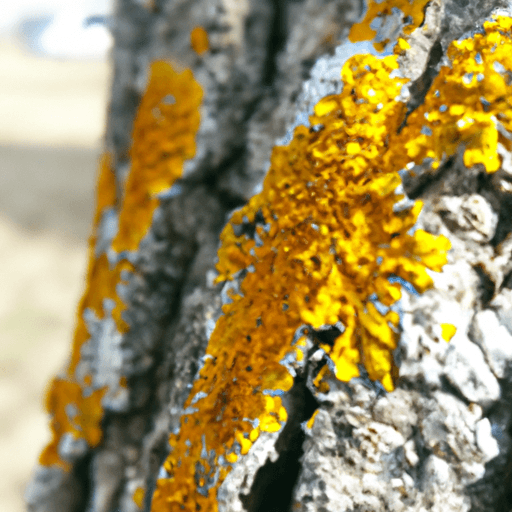
Can lichens tell you whether an area has acid rain? Three types of lichen each respond differently to acidic conditions. That difference makes them useful as bioindicators (living pollution sensors).
You place three types of lichen in separate sealed jars. Half get misted daily with plain water. The other half get a vinegar-water mix that acts like acid rain. Over ten days you observe color changes and growth.
The water-fed lichens grow and turn bright colors. The acid-fed fruticose and foliose samples shrink and turn brittle. Crustose lichens survive the acid surprisingly well.
Hypothesis
The hypothesis is that acid rain will have a negative effect on lichens.
Science Concepts Learned
Bioindicators
Lichens make surprisingly precise pollution sensors. Each type reacts differently to acidic conditions, so placing all three in the same environment reveals whether acid rain is present. Fruticose and foliose lichens shrink and turn brittle under a vinegar-water mist that mimics acid rain, while crustose lichens survive the same conditions remarkably well. That split response is exactly what makes them useful as bioindicators — the contrast between healthy and stressed samples tells you what the habitat is carrying.
Method & Materials
You will order two sets of lichens, place each sample into its own glass jar, and mist them with either water or an acid solution. You will then observe the lichens and record your observations.
You will need two sets of lichens, two spray bottles, Dannon bottled water, vinegar, Saran wrap, and a rubber band.
Eureka Crate — engineering & invention kits for ages 12+ — monthly projects that build real-world skills. (Affiliate link)
See what’s includedResults
The results of this experiment showed that the lichens exposed to the acidic solution did not mature nearly as well as the control lichens. The fruticose and foliose lichens exposed to the acid solution grew flat and short, while the crustose lichens grew well in comparison.
Why do this project?
This science project is interesting because it shows how lichens can be used as bioindicators to measure the health of an environment.
Also Consider
Variations of this experiment could include testing different concentrations of acid solution or testing different types of lichens.
Full project details
Additional information and source material for this project are available below.Share this Science Project:
Browse by Grade
Related Science Fair Project Ideas
Mount sticky collection boards across eight city locations and count the airborne particles each one traps over three days.
Medium
Peel a nail-polish impression off pine needles and count their breathing pores to see whether traffic pollution changes how leaves grow.
Medium
Collect snow from five spots between the city and the countryside, then filter and weigh the debris to see where pollution hides.
Medium
Share this Science Project: