Mold Prevention on Pears: Oil, Chlorine, and Zinc
Hypothesis
Science Concepts Learned
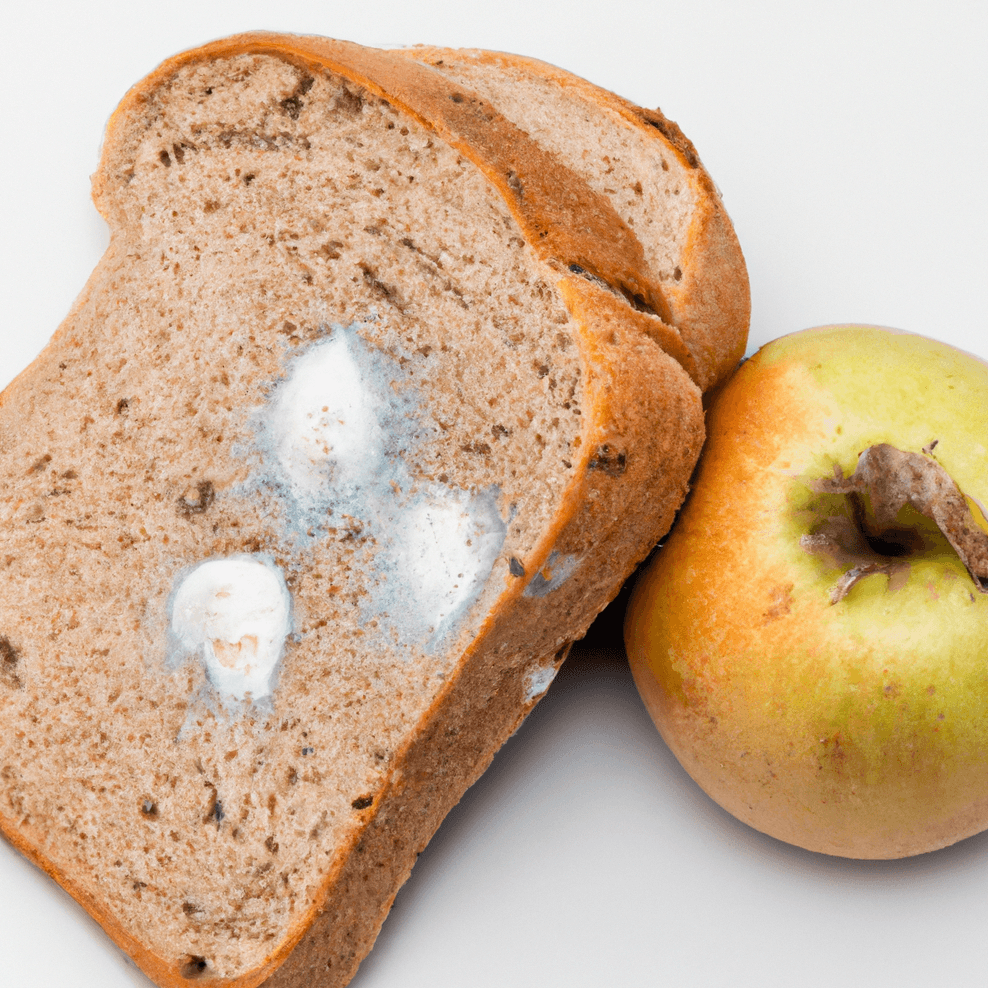
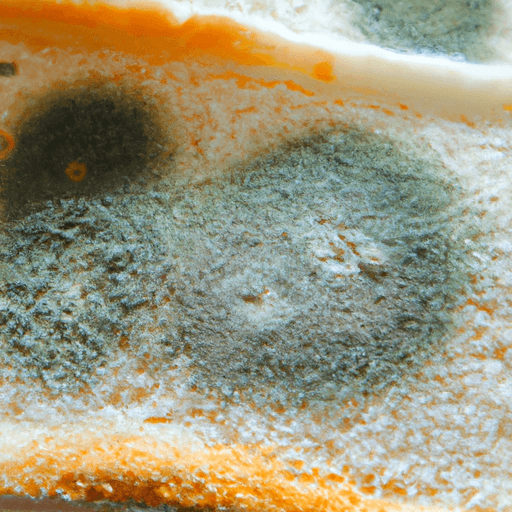
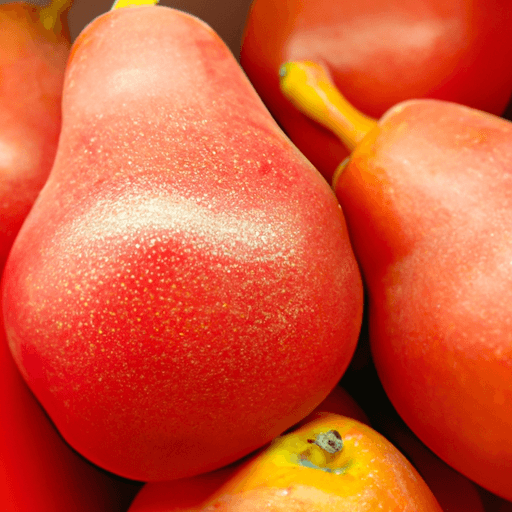
Blue mold (Penicillium) and gray mold (Botrytis cinerea) are two common fungi that attack harvested pears, and fruit growers are searching for alternatives to chemical fungicides. In this experiment, you treat forty red D'Anjou pears across four groups — chlorine solution, zinc oxide solution, vegetable oil, and a plain water control. After fourteen days at room temperature, you rate each pear on a visual mold scale from 1 to 10. Comparing average ratings across the four groups reveals which treatment best protects pears after harvest.
Blue mold (Penicillium) and gray mold (Botrytis cinerea) are two common fungi that feed on harvested fruit like pears. Coating the surface with oil or a chemical dip may block fungal spores from reaching the organic material they need. In this experiment, forty red D'Anjou pears are divided into four treatment groups — chlorine solution dip, water dip (control), zinc oxide solution dip, and vegetable oil wipe. After fourteen days at room temperature, each pear is rated on a visual mold scale from 1 to 10, and the average ratings reveal which treatment protects pears best.
When spores from blue mold (Penicillium) or gray mold (Botrytis cinerea) reach a fruit surface, they can grow into fungal colonies that damage the harvest. Here, forty red D'Anjou pears are punctured and inoculated with mold spores, then treated with a chlorine dip, a zinc oxide solution, a vegetable oil wipe, or a plain water dip as the control. After fourteen days at room temperature, each pear is rated on a visual mold scale from 1 to 10, revealing which treatment most effectively reduces blue and gray mold.
Method & Materials
Eureka Crate — engineering & invention kits for ages 12+ — monthly projects that build real-world skills. (Affiliate link)
See what’s includedResults
Why do this project?
Also Consider
Full project details
Additional information and source material for this project are available below.Browse by Grade
Related Science Fair Project Ideas