

Dog vs. Human Mouth Bacteria
Medium
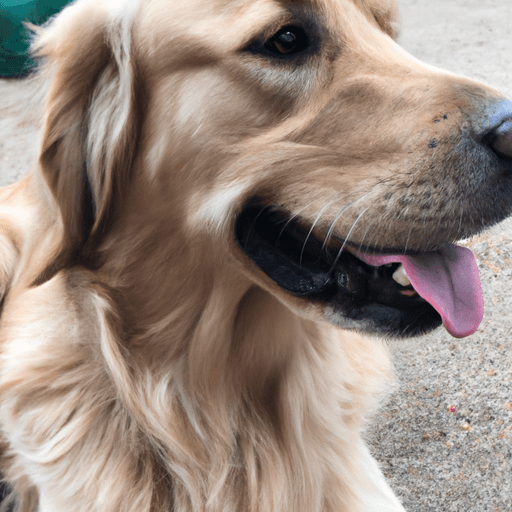
Do dogs or humans carry more bacteria in their mouths? Many people believe a dog's mouth is cleaner than a human's. This project puts that claim to the test.
You swab the mouths of three dogs and three people at least two hours after eating. Each swab is wiped onto a marked section of a petri dish filled with agar. The dishes sit at room temperature for several days.
After the bacteria grow, you compare the amount in each dish. The results show whether the old saying about clean dog mouths holds up.
Hypothesis
The hypothesis is that dogs will have more bacteria in their mouths.
Science Concepts Learned
Bacterial Growth
Bacterial growth speeds up when germs have food, moisture, and warmth together. The mouth offers all three, so swabs carry living bacteria onto agar. Room temperature warmth then lets those bacteria multiply into visible colonies over several days.
Oral Microbiome
Your mouth holds a whole community of tiny living things — and so does a dog's. When you swab both mouths and grow what you collect on agar, you can compare the two communities side by side. The results show whether the old claim about clean dog mouths actually holds up.
Method & Materials
You will swab the mouths of dogs and humans, lightly brush the swab over marked area of petri dish, and keep petri dishes in a warm area.
You will need agar, petri dishes, sterile swabs, and a thermometer.
Tinker Crate — science & engineering build kits for ages 9–12 — real tools, real experiments, delivered monthly. (Affiliate link)
See what’s includedResults
The hypothesis was correct - dogs had more bacteria in their mouths than humans. This proves that the old wife's tale that says that a dog's mouth is cleaner than a human's mouth is incorrect.
Why do this project?
This science project is interesting because it tests an old wives' tale and provides evidence to prove it wrong.
Also Consider
Variations to consider include testing different breeds of dogs and humans, testing different ages of dogs and humans, and testing different times of day.
Full project details
Additional information and source material for this project are available below.Share this Science Project:
Related Science Fair Project Ideas
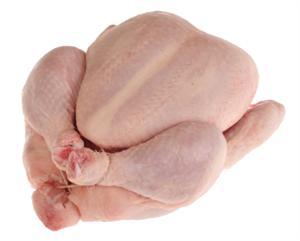
Swab fresh, frozen, and irradiated chicken onto agar plates and measure which processing method leaves the fewest bacteria behind.
Medium
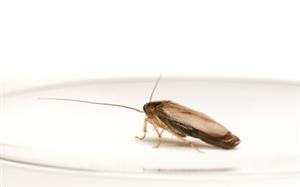
Let four insects walk across agar dishes and measure which one leaves behind the largest colony of bacteria after five days.
Medium
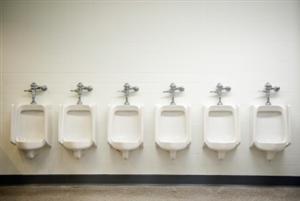
Swab five waterless and five water-based urinals, grow the bacteria in petri dishes, and measure which type produces larger colonies.
Medium
Share this Science Project: