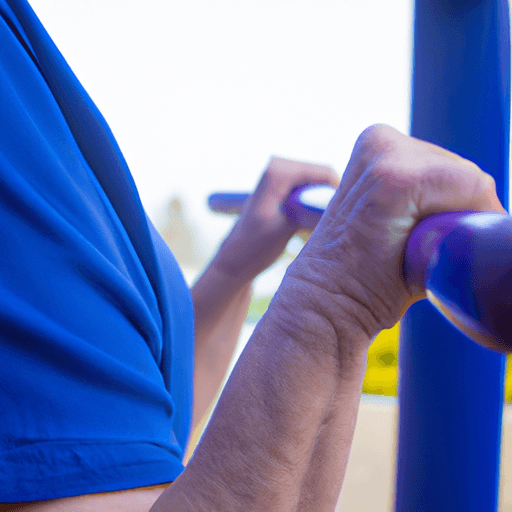
Does your blood pressure go up or down right after exercise? You probably know that your heart beats faster when you run. But blood pressure is a separate measurement that can change in surprising ways.
You use a portable wrist monitor to record blood pressure at five points. First, take a resting reading. Then the subject steps up and down to a metronome beat for two minutes, and you read again. After two more minutes of stepping, take a third reading. Then the subject sits and rests for four minutes before a fourth reading. A final reading comes after four more minutes of rest.
Track how blood pressure rises during exercise and whether it returns to the resting level afterward.
Hypothesis
The hypothesis is that the blood pressure will be lower while resting than when doing exercise.
When you move your body, your heart beats faster and blood pressure shifts in ways that can surprise you. This experiment captures that shift by recording readings at rest, during stepping to a metronome beat, and through several minutes of recovery. The data shows how blood pressure rises during exercise and whether it returns to that resting level.
Blood pressure is one of the key body readings that shows how you are doing. When you run, your heart beats faster, but blood pressure is a separate measurement that can change in surprising ways. You track it with five readings using a wrist monitor: at rest, during two exercise intervals, and across two recovery periods.
Method & Materials
You will measure the resting and exercising blood pressure of 7th grade students and compare the results.
You will need a Portable Wrist Blood Pressure Monitor, a testing room, an instruction script, a stopwatch, a metronome, and 25 subjects.
Tinker Crate — science & engineering build kits for ages 9–12 — real tools, real experiments, delivered monthly. (Affiliate link)
The results of the experiment showed that the student's blood pressure increased after two minutes and four minutes after exercising, but their blood pressure was higher after they rested for eight minutes than it was before they exercised at all. This suggests that the hypothesis should be accepted.
Why do this project?
This science project is interesting because it looks at how the body responds to exercise and rest, and how it affects blood pressure.
Also Consider
Variations to consider include testing boys vs. girls to see which of the two genders has a higher pulse rate, and testing the subjects for a longer period of time and then having them rest for a shorter amount of time.
Full project details
Additional information and source material for this project are available below.