Air Particle Levels Across Your Neighborhood
Hypothesis
Science Concepts Learned
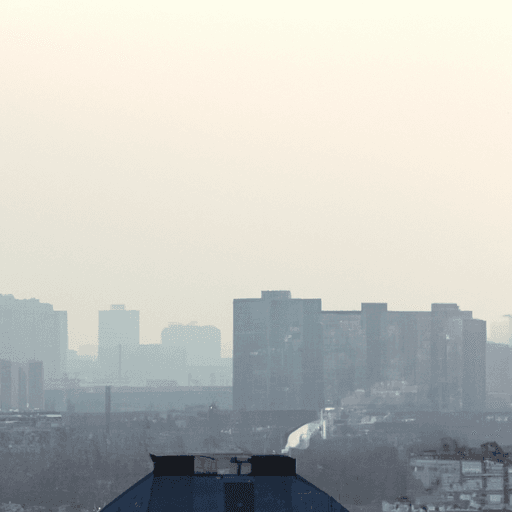
Air pollution isn't the same everywhere — the amount of particulate matter drifting through the air shifts depending on location and even the day of the week. To measure this, you coat microscope slides with petroleum jelly and place them in different spots: some indoors, some outdoors on window ledges or in open fields. After leaving all slides exposed for the same amount of time, you compare them against control slides kept sealed in a drawer. Under a magnifying glass or microscope, you count the particles stuck to each one. The results show which locations collect the most airborne dust, smoke, and soot — and whether weekdays differ from weekends.
Method & Materials
Tinker Crate — science & engineering build kits for ages 9–12 — real tools, real experiments, delivered monthly. (Affiliate link)
See what’s includedResults
Why do this project?
Also Consider
Full project details
Additional information and source material for this project are available below.Related Science Fair Project Ideas