

Student Knowledge and Attitudes on Air Pollution
Easy
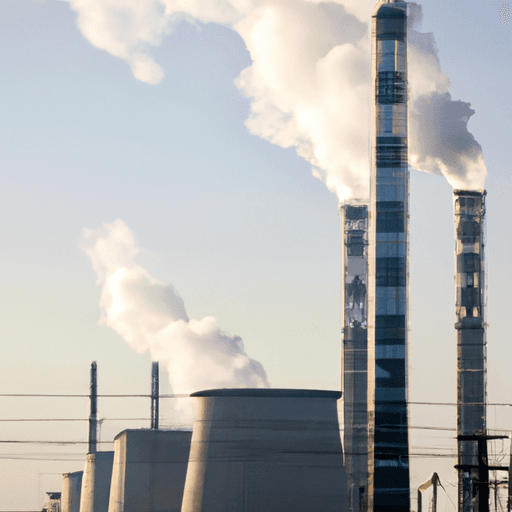
How much do people actually know about air pollution? Most can name it as a problem. Fewer can explain where it comes from or what laws exist to control it.
You design a questionnaire with factual and opinion questions about air pollution. You give it to a random sample of students at your school. You also send it over the internet to students around the world. Then you score the answers and compare the results.
In this survey, 66% of factual questions were answered correctly. Most respondents knew that riding a bike is better for the air than driving. Most did not know that 70% of air pollution comes from motor vehicles.
Hypothesis
The hypothesis is that the majority of the responses to the factual questions about air pollution on the questionnaire will be answered correctly.
Science Concepts Learned
Air Pollution
Air pollution is harmful stuff in the air, but how much do people actually know about it? In one survey, most respondents did not know that 70% of air pollution comes from motor vehicles. You can design a questionnaire and give it to a random sample of students to find out what people know and where the gaps are.
Method & Materials
You will design a methodology and develop a questionnaire to test your hypothesis. You will randomly choose students from the school and pass out the questionnaire. You will also send the questionnaire out on the Internet to students around the world.
You will need a topic, a statement of purpose, a review of literature, a hypothesis, a questionnaire, and a way to tally the replies.
Tinker Crate — science & engineering build kits for ages 9–12 — real tools, real experiments, delivered monthly. (Affiliate link)
See what’s includedResults
After analyzing the data, we found that the majority of the responses to the factual questions about air pollution on the questionnaire were answered correctly. This shows that students are aware of the importance of air pollution and the need to take action to reduce it.
Why do this project?
This science project is interesting and unique because it allows us to get a better understanding of what students know and feel about air pollution. It also allows us to apply our findings to the world outside the classroom.
Also Consider
Experiment variations to consider include testing the responses of students from different age groups or testing the responses of students from different countries.
Full project details
Additional information and source material for this project are available below.Related video
These videos explain the science behind this project and demonstrate key concepts used in the experiment.
Share this Science Project:
Related Science Fair Project Ideas
Survey people who use different home heating types and find out which group reports the most respiratory illness.
Easy
Collect rainwater from different spots in your neighborhood over several weeks and map how the pH changes across locations.
Easy
Coat microscope slides with petroleum jelly, place them around your neighborhood, and discover which spots collect the most airborne particles.
Easy
Share this Science Project: