

Surface Area, Heat, and Wind in Evaporation
Medium
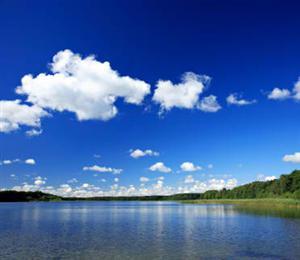
What makes water evaporate faster — a wider container, a warmer spot, or a breeze? Three simple tests show how each factor changes the rate.
First, pour equal amounts of water into a wide plate and a narrow glass. Watch which one loses water faster. Next, place one plate indoors and another in direct sunlight. Finally, set one plate in front of a fan and another away from it. Check all pairs every 10 minutes.
The wider surface, the sunlit spot, and the fan-blown plate all evaporate faster than their partners.
Hypothesis
The hypothesis is that evaporation of water will happen faster given a higher surface area, higher temperature and lower air pressure environment.
Science Concepts Learned
Surface Area
When you pour equal amounts of water into a wide plate and a narrow glass, the plate exposes far more water to the surrounding air. As a result, water leaves the plate faster. Three tests — wider container, sunlit spot, fan-blown plate — each confirm the same pattern: more outside surface touching the air means faster evaporation.
Method & Materials
You will observe the rate of evaporation of water in different environments, such as with different surface areas, temperatures and air pressures.
You will need 5 plates that can hold 100ml water, 1 glass that can hold 100ml water, 600 ml water and 1 fan.
MEL Physics — hands-on physics experiment kits delivered monthly — real experiments, not just reading. (Affiliate link)
See what’s includedResults
The results of the experiment showed that the plate with the larger surface area, the plate placed under the sun and the plate placed under the fan had the water evaporating faster. This proves that the hypothesis is true - evaporation of water will happen faster given a higher surface area, higher temperature and lower air pressure environment.
Why do this project?
This science project is interesting because it explores the water cycle and how different environmental factors can affect the rate of evaporation.
Also Consider
Experiment variations could include repeating the experiment using oil, alcohol and other liquids to compare the rate of evaporation.
Full project details
Additional information and source material for this project are available below.Related video
These videos explain the science behind this project and demonstrate key concepts used in the experiment.
Share this Science Project:
Related Science Fair Project Ideas
Drop food coloring into three jars of different temperature water and watch the color spread at wildly different speeds.
Medium
Burn equal pieces of oak, maple, cedar, and pine under water to discover which wood type produces the most heat.
Medium
Wrap flasks of hot water in five different fabrics and track temperature over two hours to find the best insulator.
Medium
Share this Science Project: