

Feeder Color and Bird Attraction
Medium
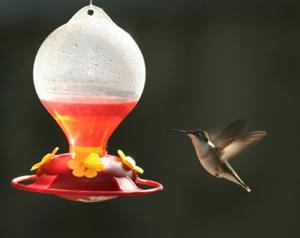
Does the color of a bird feeder change how many birds visit it? You paint five identical feeders in different colors: red, orange, blue, green, and white. Each morning, you fill all five with sunflower seeds and count the birds at each one.
Over five days, you also rearrange the feeders to check whether birds follow the color or the location. This helps separate color preference from habit.
The red feeder attracted the most birds overall. Orange came in second, while blue, green, and white drew far fewer visitors.
Hypothesis
The hypothesis is that of all the feeders, the birds will most prefer eating from the red feeder.
Method & Materials
You will paint 5 bird feeders in different colors, arrange them 3m apart from one another, and feed the birds sunflower seeds. You will observe and count how many birds visit each feeder.
You will need 5 bird feeders, 5 cans of spray paint in different colors, and a pack of sunflower seeds.
Tinker Crate — science & engineering build kits for ages 9–12 — real tools, real experiments, delivered monthly. (Affiliate link)
See what’s includedResults
The results showed that of all the feeders, the birds were most attracted to the red one. This was followed by the orange feeder.
Why do this project?
This science project is interesting because it allows us to observe the behavior of birds and learn more about their preferences.
Also Consider
Consider using different types of feed such as worms, corn and berries, to further test whether birds actually have a preference for the color of the feeder. Also, consider what colors particular species of birds are attracted to.
Full project details
Additional information and source material for this project are available below.Related videos
These videos explain the science behind this project and demonstrate key concepts used in the experiment.
Share this Science Project:
Related Science Fair Project Ideas
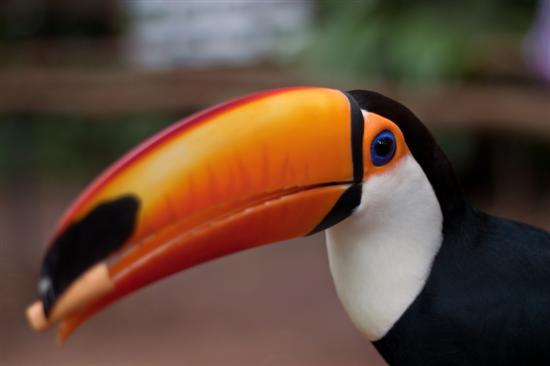
Match bird beaks to hardware store tools and use the tool's purpose to predict what each bird eats.
Medium
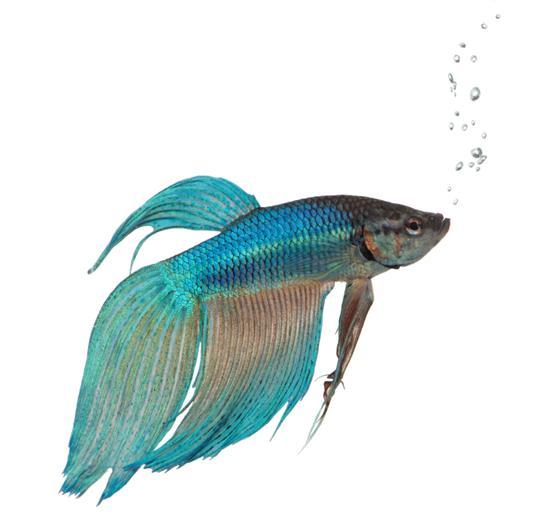
Show a betta fish its own reflection again and again to discover how quickly it stops flaring at the mirror.
Medium
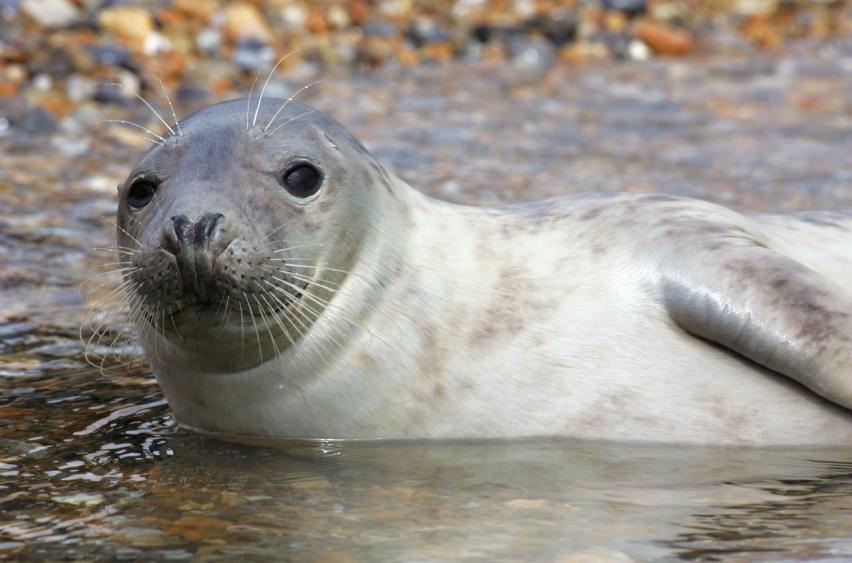
Pick any biome, find two species on different continents, and discover how the same environment can sculpt unrelated animals into near look-alikes.
Medium
Share this Science Project: