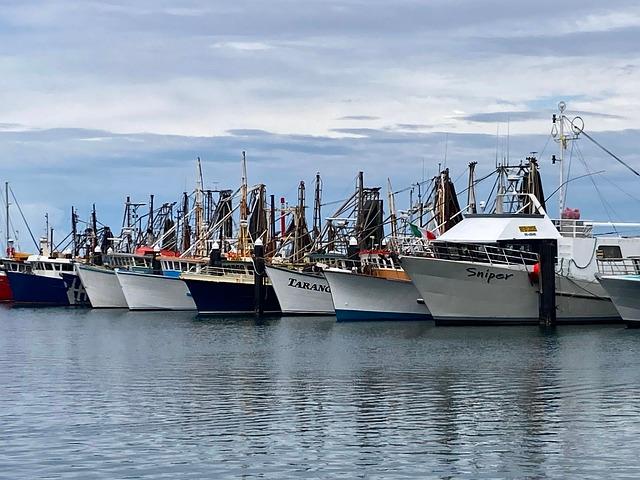
How much copper, lead, and zinc leak into the water near a boatyard? Antifouling paint on boat hulls contains heavy metals that slowly dissolve into surrounding water.
You collect water samples from four locations: a boatyard, a marina, a beach, and a tap. You send 10 bottles from each site to a lab for heavy metal testing. The boatyard water contains far more copper, lead, and zinc than any other location.
Hypothesis
The hypothesis is that the water sample obtained from the boatyard will have the highest level of copper content.
Antifouling paint on boat hulls contains heavy metals — copper, lead, and zinc — that slowly dissolve into surrounding water. To measure how much leaks out, you collect water samples from four locations: a boatyard, a marina, a beach, and a tap. You label small glass bottles for each site, fill them, and send them to a lab for heavy metal testing. The boatyard water contains far more copper, lead, and zinc than any other location, showing how industrial sites can spread contamination into nearby water.
Lead contamination also enters water from industrial sources, not just pipes. Antifouling paint on boat hulls contains heavy metals, including lead, that slowly dissolve into surrounding water. In this experiment, boatyard water contains far more lead than water from a marina, a beach, or a tap.
Method & Materials
You will label small glass bottles with the locations from which the water samples are obtained, fill each bottle with water from the appropriate location, and send the bottles to a lab to test for heavy metals.
You will need 40 small glass bottles, writing materials, and a black marker.
Tinker Crate — science & engineering build kits for ages 9–12 — real tools, real experiments, delivered monthly. (Affiliate link)
The results showed that the water sample obtained near the boatyard contained the highest amount of copper, lead, and zinc, followed by the water sample from the marina area. This proves the hypothesis to be true.
Why do this project?
This science project is interesting and unique because it explores how antifouling paint affects the environment and marine life.
Also Consider
Experiment variations include collecting water samples from other locations, such as ship ports or beaches along busy shipping routes, and testing for other pollutants such as oil or organic chemicals.
Full project details
Additional information and source material for this project are available below.