

Hamster Handling and Maze Learning Speed
Medium
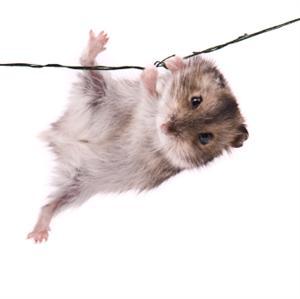
Can two hours of daily petting make a hamster solve a maze twice as fast?
Divide six hamsters from the same litter into two groups. Give one group at least two hours of daily handling and play. Leave the other group with identical food, water, and housing but no human contact. After the handled hamsters become friendly, place each hamster in a cardboard maze with sunflower seeds at the finish.
Time every hamster once a day for seven days. Track whether the handled group learns the route faster than the group raised without human contact.
Hypothesis
The hypothesis is that hamsters that are shown human affection will be able to learn more quickly.
Method & Materials
You will divide 6 hamsters into two groups, give one group human affection, and measure the time it takes for each hamster to complete a maze.
You will need 6 hamsters, 2 cages, sunflower seeds, cardboards or old carton boxes, scissors, masking tape, glue, a stopwatch, and a meter-long ruler.
Eureka Crate — engineering & invention kits for ages 12+ — monthly projects that build real-world skills. (Affiliate link)
See what’s includedResults
The results of the experiment showed that the hamsters in the group that was given affection were able to learn the maze and complete it faster than the hamsters in the other group. This proves that the hypothesis is true.
Why do this project?
This science project is interesting because it explores the relationship between animals and emotions, and how human affection can affect the learning abilities of animals.
Also Consider
Consider experimenting with different kinds of feed, such as dried shrimps, or with different animals, such as white mice or dogs.
Full project details
Additional information and source material for this project are available below.Related video
These videos explain the science behind this project and demonstrate key concepts used in the experiment.
Share this Science Project:
Related Science Fair Project Ideas
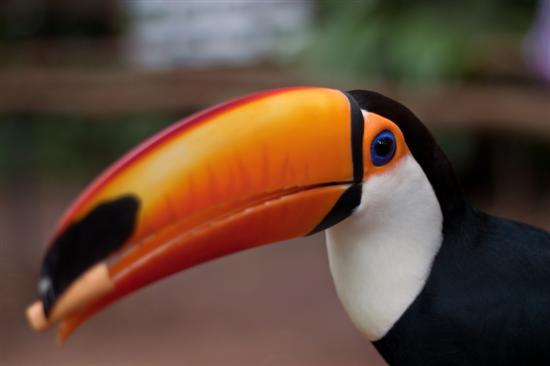
Match bird beaks to hardware store tools and use the tool's purpose to predict what each bird eats.
Medium
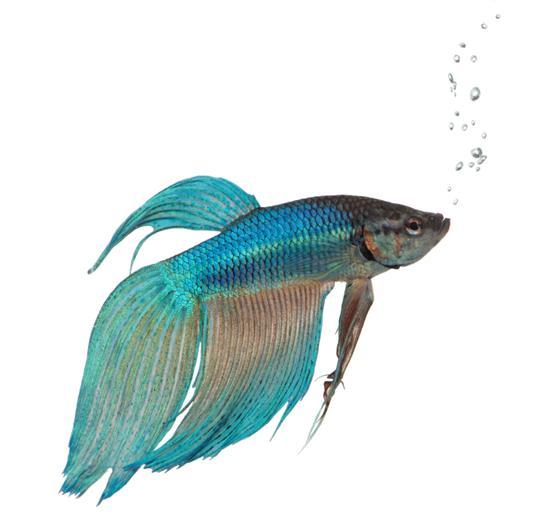
Show a betta fish its own reflection again and again to discover how quickly it stops flaring at the mirror.
Medium
Pick any biome, find two species on different continents, and discover how the same environment can sculpt unrelated animals into near look-alikes.
Medium
Share this Science Project: